Mitochondrial-derived 24-amino-acid cytoprotective peptide
PRODUCT PROFILE
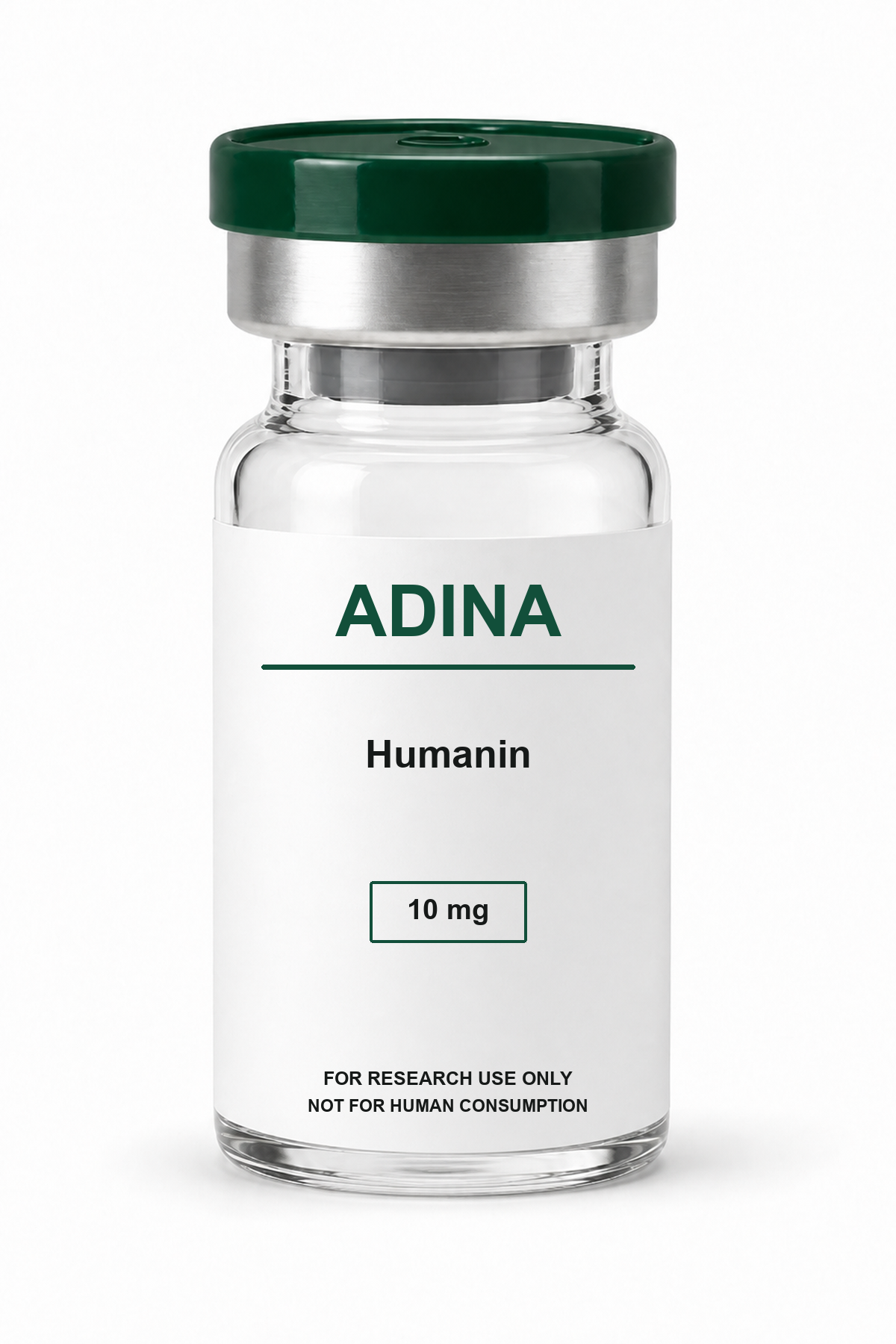
Humanin
£68.00
Humanin is mitochondrial-derived 24-amino-acid cytoprotective peptide. Researchers examine it in relation to apoptosis resistance, metabolic stress and age-related cell-survival pathways.
Why it is distinct
Primarily cytoprotective/anti-apoptotic, whereas MOTS-c centres on metabolic stress signalling.
- Evidence stagePreclinical
- AvailabilityUnavailable
- Batch recordPublished after verification
- DispatchConfirmed at checkout
Out of stock
Ask about availabilityPRODUCT INFORMATION
Clear first. Detailed when needed.
What this material is+
Humanin is mitochondrial-derived 24-amino-acid cytoprotective peptide. Researchers examine it in relation to apoptosis resistance, metabolic stress and age-related cell-survival pathways.
Research focus+
Researchers study whether it helps cells survive metabolic, oxidative and age-related stress. Most evidence comes from laboratory and animal studies.
How the mechanism differs+
Interacts with intracellular apoptosis proteins and extracellular receptor complexes in preclinical models.
Evidence and limitations+
Broad cell and animal literature plus human biomarker studies; therapeutic intervention evidence remains limited.
Testing and batch documentation+
No live certificate is shown for this staging item. ADINA will only publish a batch document after the product identifier, test method and result have been checked.
RESEARCH PROFILE
Understand the distinction.
Researchers study whether it helps cells survive metabolic, oxidative and age-related stress. Most evidence comes from laboratory and animal studies.
Interacts with intracellular apoptosis proteins and extracellular receptor complexes in preclinical models.
Primarily cytoprotective/anti-apoptotic, whereas MOTS-c centres on metabolic stress signalling.
Broad cell and animal literature plus human biomarker studies; therapeutic intervention evidence remains limited.
Educational research context only. This information is not dosage, administration or personal-use guidance.
CONTINUE EXPLORING
Related research perspectives.
Selected for useful comparison across neighbouring or contrasting research areas—not as combined-use guidance.
-
Preclinical
FOXO4-DRI
£92.0010 mgBatch file pendingA targeted experimental senolytic mechanism, not a mitochondrial support or endocrine peptide.
UnavailableAsk about availability -
Experimental
Endoluten
£46.0020 mgBatch file pendingPineal/circadian branding with uncertain composition, distinct from sequence-defined Epithalon.
UnavailableAsk about availability -
Preclinical
Epithalon
£58.0010 mgBatch file pendingA proposed pineal-derived bioregulator with telomere-focused claims, not a mitochondrial-targeting peptide.
UnavailableAsk about availability -
Experimental
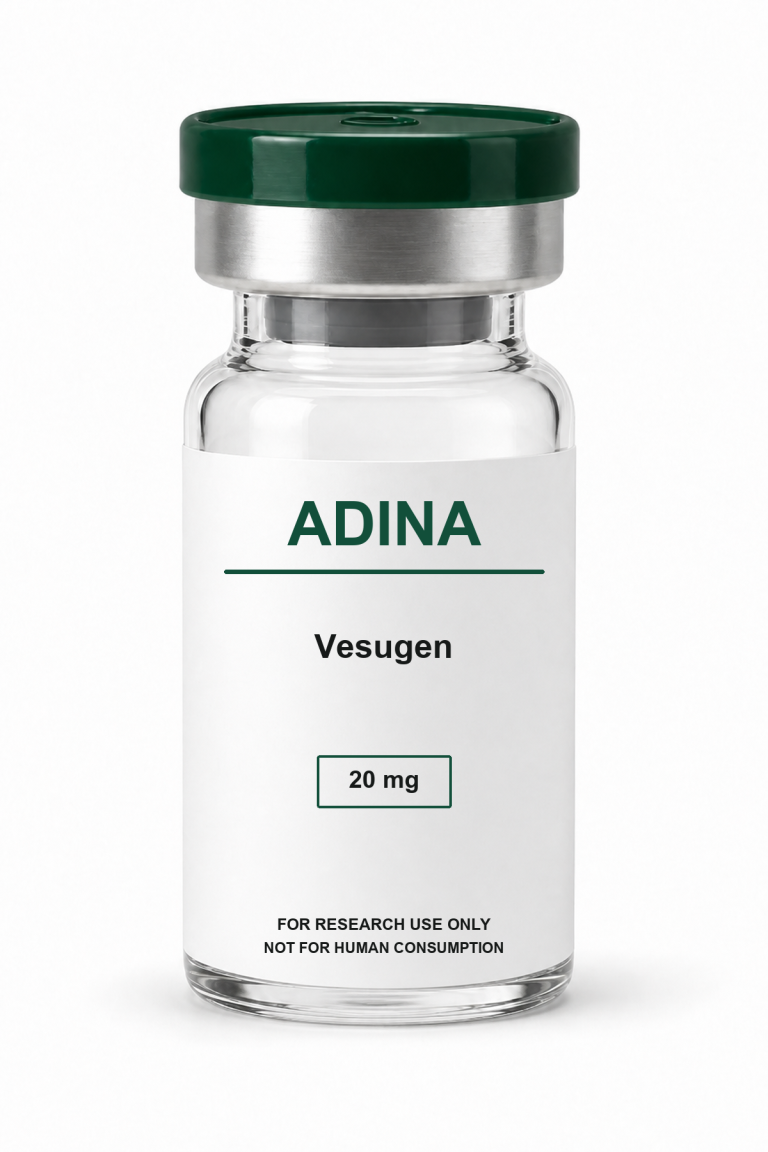
Vesugen
£46.0020 mgBatch file pendingVascular-tissue focus distinguishes it from mitochondrial or general healthy-ageing peptides.
UnavailableAsk about availability