Nicotinamide adenine dinucleotide, a cellular redox coenzyme and enzyme substrate—not a peptide
PRODUCT PROFILE
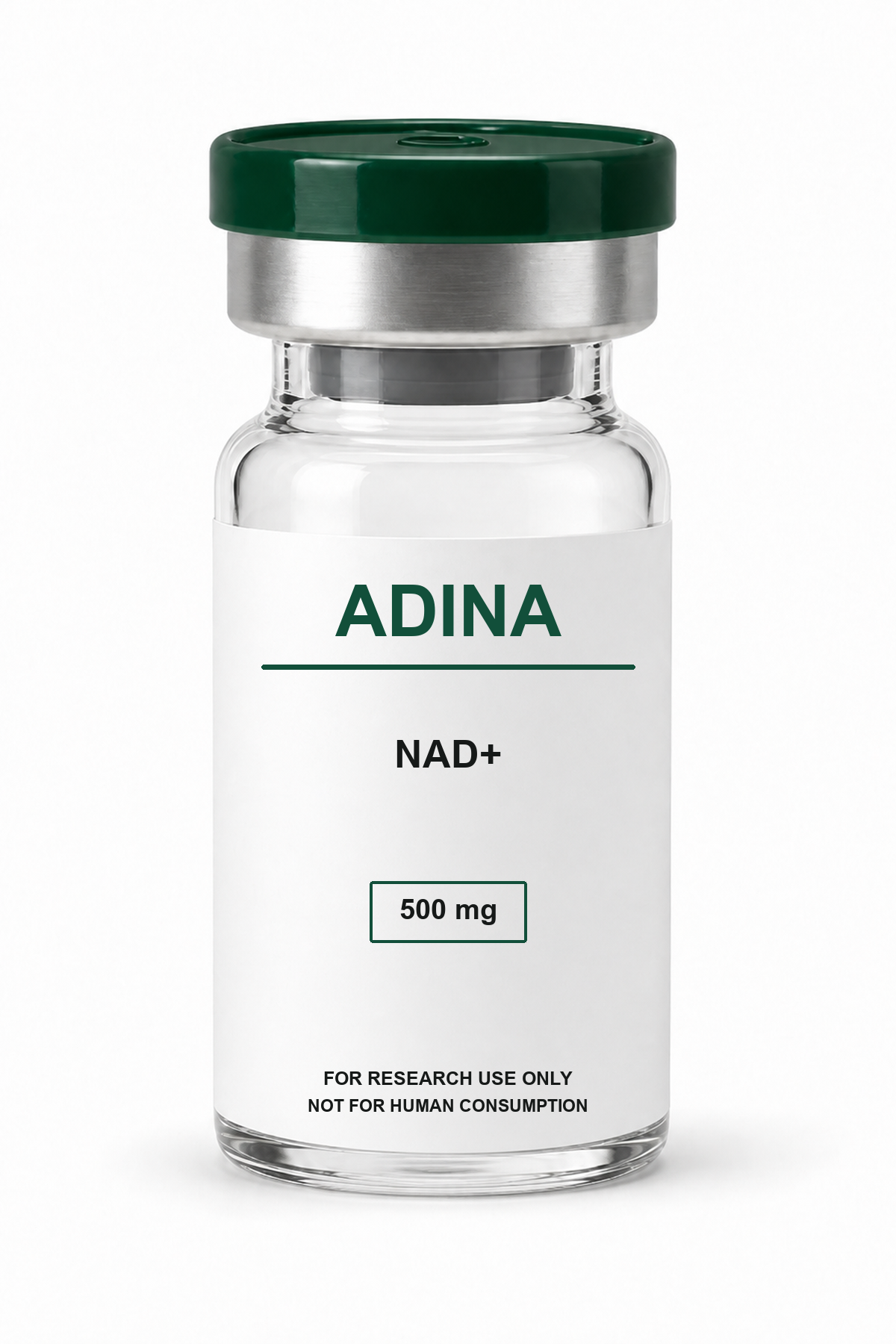
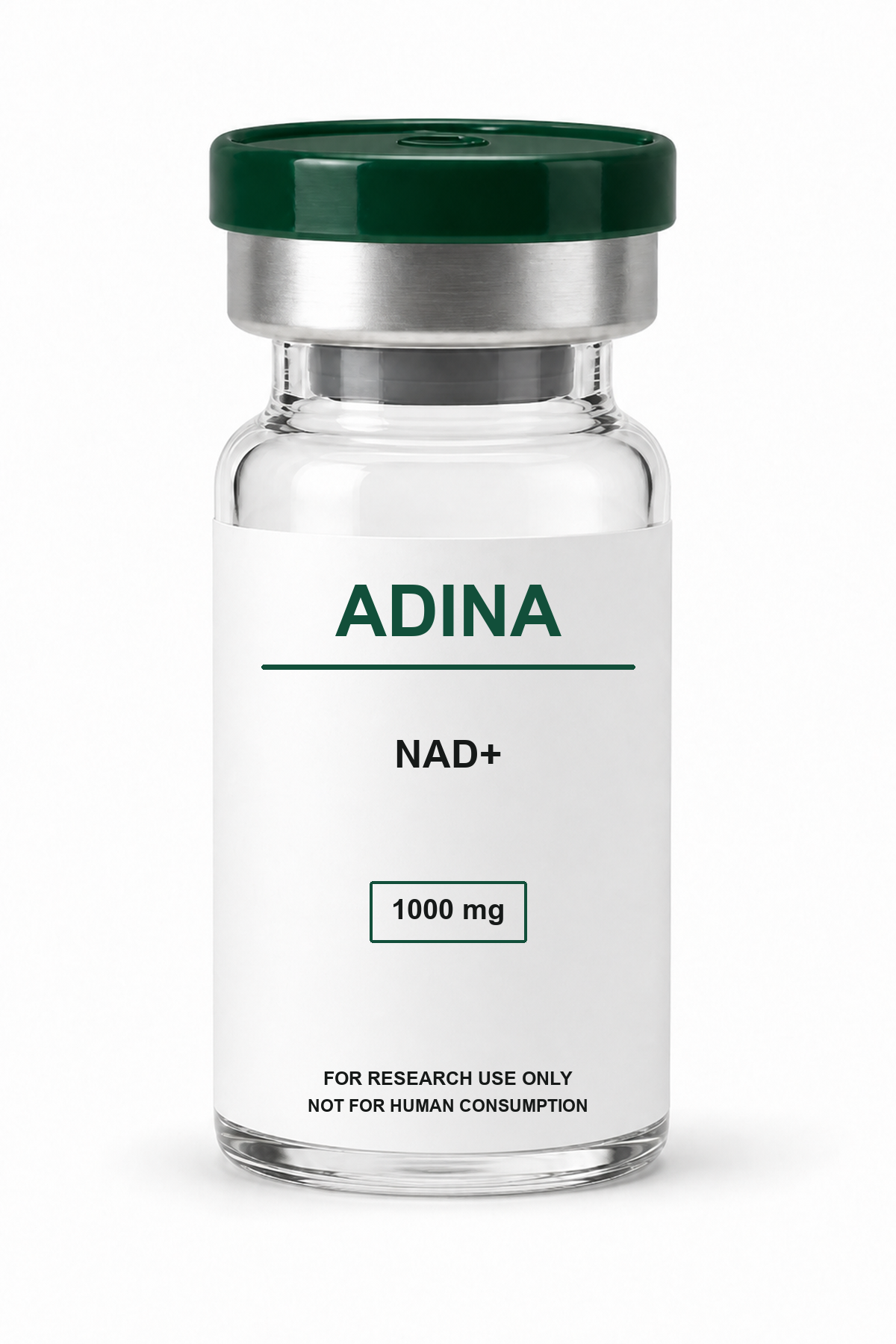
NAD+
Price range: £52.99 through £72.99
NAD+ is nicotinamide adenine dinucleotide, a cellular redox coenzyme and enzyme substrate—not a peptide. Researchers examine it in relation to cellular redox balance, mitochondrial energy transfer, DNA-repair signalling and NAD-consuming enzymes.
Why it is distinct
NAD+ is a metabolic coenzyme rather than a peptide or receptor agonist, so it belongs to cellular-metabolism research rather than peptide-signalling comparisons.
- Evidence stageClinical research
- AvailabilityAvailable
- Batch recordPublished after verification
- DispatchConfirmed at checkout
PRODUCT INFORMATION
Clear first. Detailed when needed.
What this material is+
NAD+ is nicotinamide adenine dinucleotide, a cellular redox coenzyme and enzyme substrate—not a peptide. Researchers examine it in relation to cellular redox balance, mitochondrial energy transfer, DNA-repair signalling and NAD-consuming enzymes.
Research focus+
It is a natural helper molecule that cells need to turn food into energy and support DNA-repair systems. Researchers study whether restoring falling NAD+ levels can help cell energy and resilience, but benefits from supplements or supplied NAD+ vary by formulation and are not fully established.
How the mechanism differs+
Cycles between NAD+ and NADH to transfer electrons in metabolism and is consumed by enzymes including PARPs, sirtuins and CD38.
Evidence and limitations+
The biological role of NAD+ is well established, but clinical outcomes from attempting to raise NAD+ are variable and depend on the compound, formulation, biological compartment and study population. Evidence for precursors cannot automatically be applied to NAD+ itself.
Testing and batch documentation+
No live certificate is shown for this staging item. ADINA will only publish a batch document after the product identifier, test method and result have been checked.
RESEARCH PROFILE
Understand the distinction.
It is a natural helper molecule that cells need to turn food into energy and support DNA-repair systems. Researchers study whether restoring falling NAD+ levels can help cell energy and resilience, but benefits from supplements or supplied NAD+ vary by formulation and are not fully established.
Cycles between NAD+ and NADH to transfer electrons in metabolism and is consumed by enzymes including PARPs, sirtuins and CD38.
NAD+ is a metabolic coenzyme rather than a peptide or receptor agonist, so it belongs to cellular-metabolism research rather than peptide-signalling comparisons.
The biological role of NAD+ is well established, but clinical outcomes from attempting to raise NAD+ are variable and depend on the compound, formulation, biological compartment and study population. Evidence for precursors cannot automatically be applied to NAD+ itself.
Educational research context only. This information is not dosage, administration or personal-use guidance.
CONTINUE EXPLORING
Related research perspectives.
Selected for useful comparison across neighbouring or contrasting research areas—not as combined-use guidance.
-
Preclinical
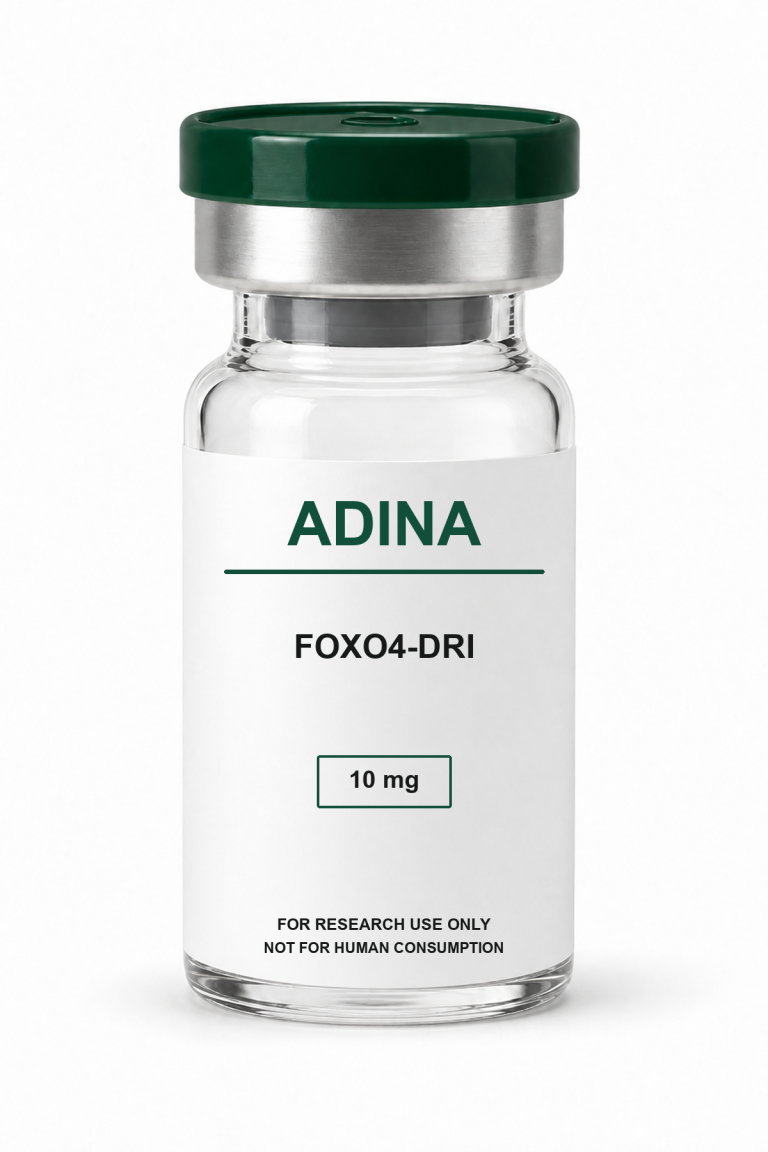
FOXO4-DRI
£92.0010 mgBatch file pendingA targeted experimental senolytic mechanism, not a mitochondrial support or endocrine peptide.
UnavailableAsk about availability -
Experimental
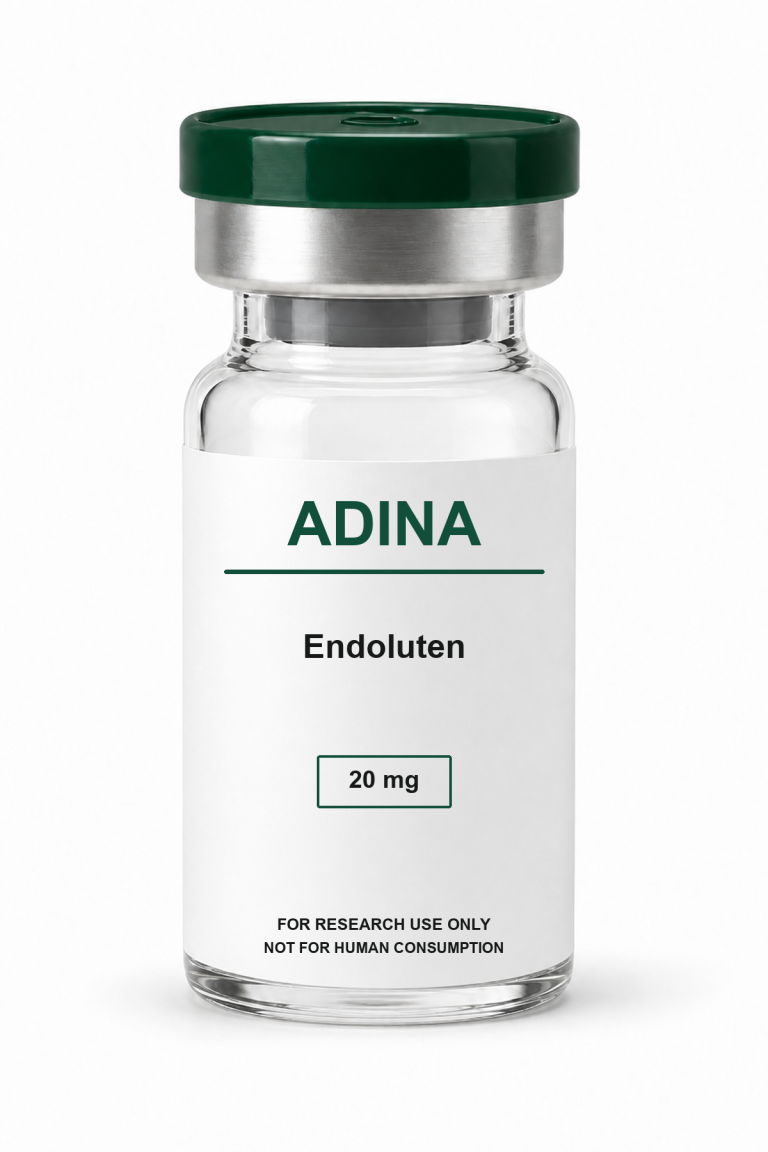
Endoluten
£46.0020 mgBatch file pendingPineal/circadian branding with uncertain composition, distinct from sequence-defined Epithalon.
UnavailableAsk about availability -
Preclinical
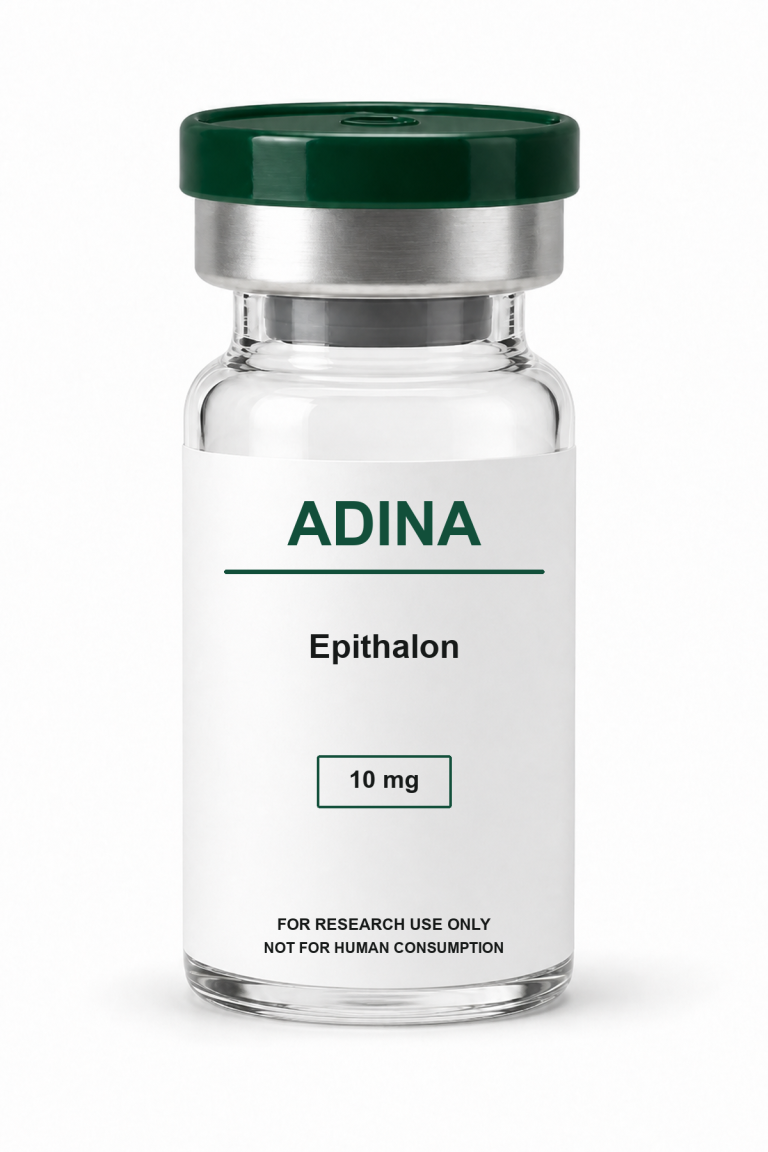
Epithalon
£58.0010 mgBatch file pendingA proposed pineal-derived bioregulator with telomere-focused claims, not a mitochondrial-targeting peptide.
UnavailableAsk about availability -
Experimental
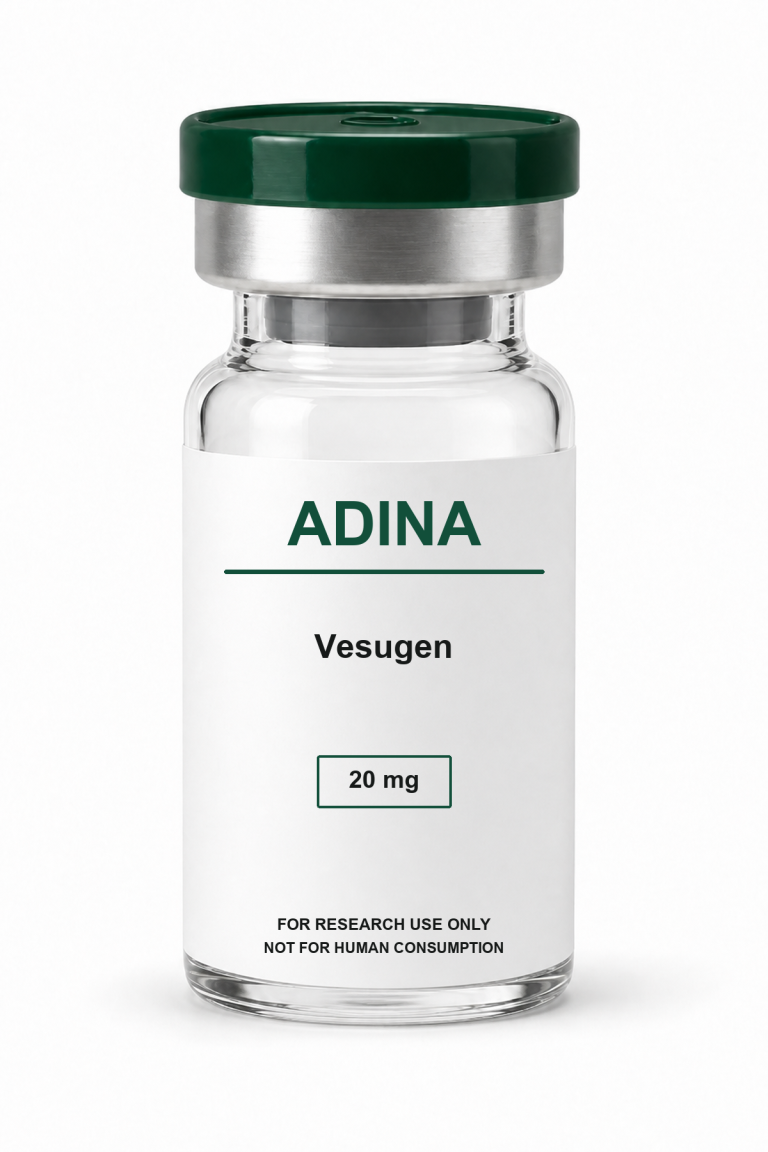
Vesugen
£46.0020 mgBatch file pendingVascular-tissue focus distinguishes it from mitochondrial or general healthy-ageing peptides.
UnavailableAsk about availability