Endogenous 43-amino-acid actin-sequestering peptide
PRODUCT PROFILE
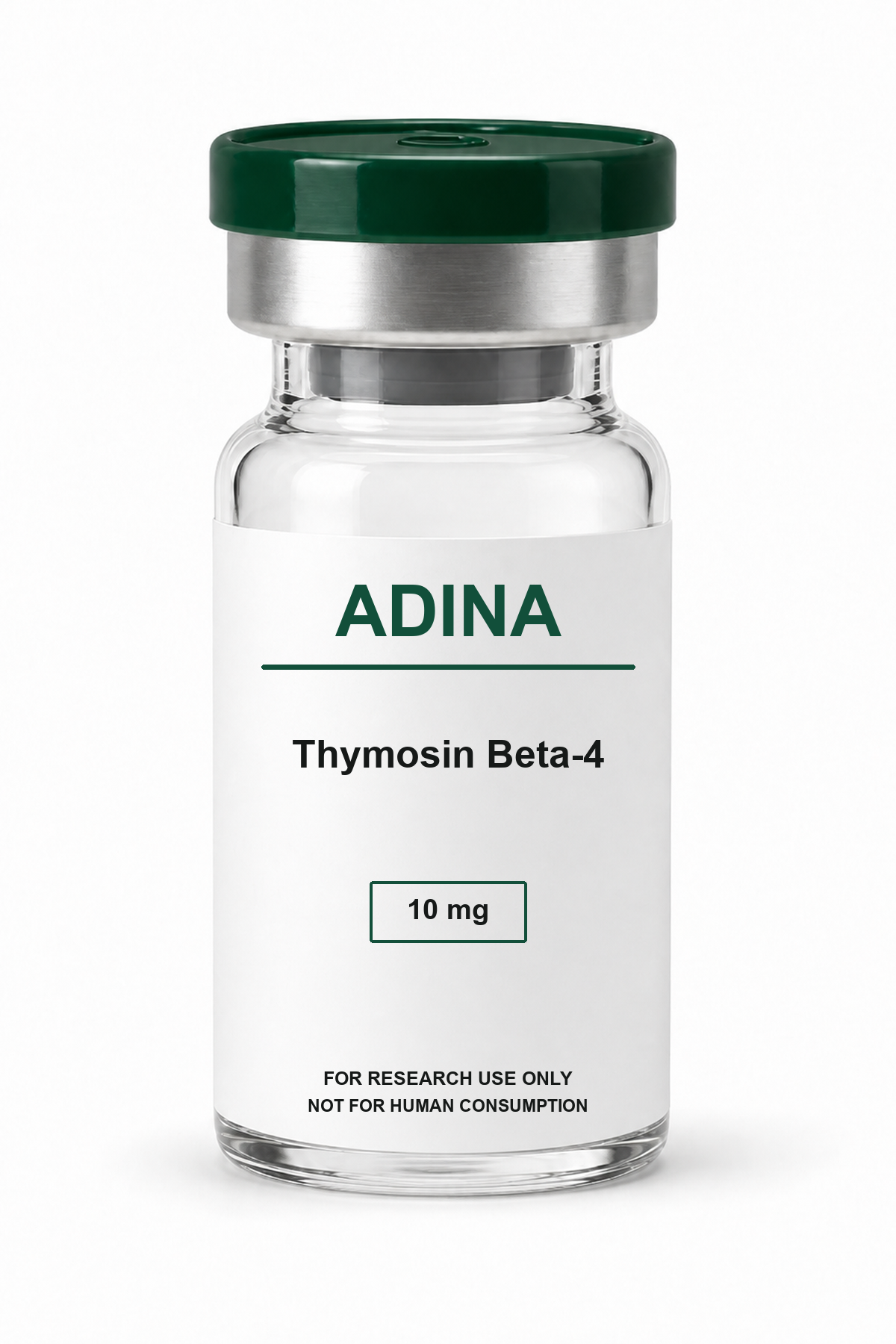
Thymosin Beta-4
£62.00
Thymosin Beta-4 is endogenous 43-amino-acid actin-sequestering peptide. Researchers examine it in relation to cell migration, corneal repair, inflammation and tissue-remodelling biology.
Why it is distinct
Full-length endogenous thymosin beta-4 with broader actin biology, rather than the shorter TB-500-style material.
- Evidence stageEarly human evidence
- AvailabilityUnavailable
- Batch recordPublished after verification
- DispatchConfirmed at checkout
Out of stock
Ask about availabilityPRODUCT INFORMATION
Clear first. Detailed when needed.
What this material is+
Thymosin Beta-4 is endogenous 43-amino-acid actin-sequestering peptide. Researchers examine it in relation to cell migration, corneal repair, inflammation and tissue-remodelling biology.
Research focus+
Researchers study whether it can support wound repair, reduce damaging inflammation and help tissue remodel after injury. Human evidence is limited and depends on the exact formulation and research setting.
How the mechanism differs+
Binds G-actin and influences cytoskeletal organisation, motility and repair-associated signalling.
Evidence and limitations+
Preclinical literature plus limited human development, particularly ophthalmic studies; not interchangeable with TB-500 fragments.
Testing and batch documentation+
No live certificate is shown for this staging item. ADINA will only publish a batch document after the product identifier, test method and result have been checked.
RESEARCH PROFILE
Understand the distinction.
Researchers study whether it can support wound repair, reduce damaging inflammation and help tissue remodel after injury. Human evidence is limited and depends on the exact formulation and research setting.
Binds G-actin and influences cytoskeletal organisation, motility and repair-associated signalling.
Full-length endogenous thymosin beta-4 with broader actin biology, rather than the shorter TB-500-style material.
Preclinical literature plus limited human development, particularly ophthalmic studies; not interchangeable with TB-500 fragments.
Educational research context only. This information is not dosage, administration or personal-use guidance.
CONTINUE EXPLORING
Related research perspectives.
Selected for useful comparison across neighbouring or contrasting research areas—not as combined-use guidance.
-
Clinical research
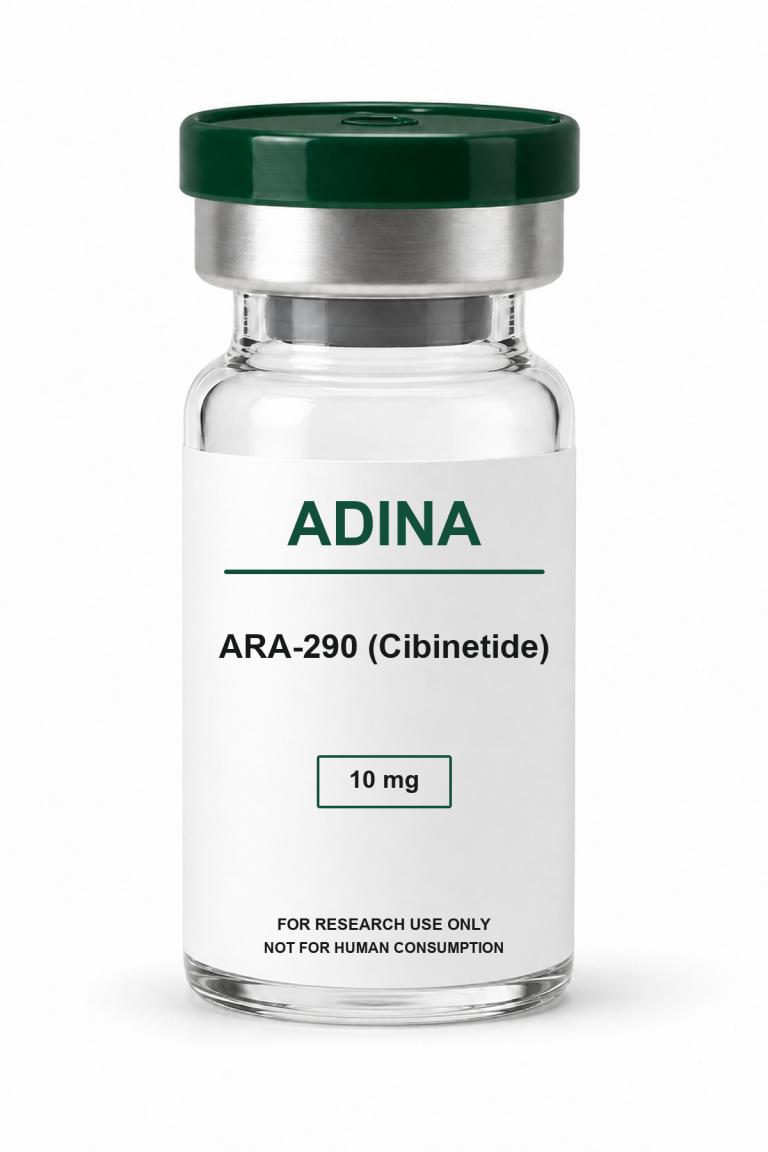
ARA-290 (Cibinetide)
£72.0010 mgBatch file pendingSeparates tissue-protective EPO signalling from red-blood-cell production.
UnavailableAsk about availability -
Experimental
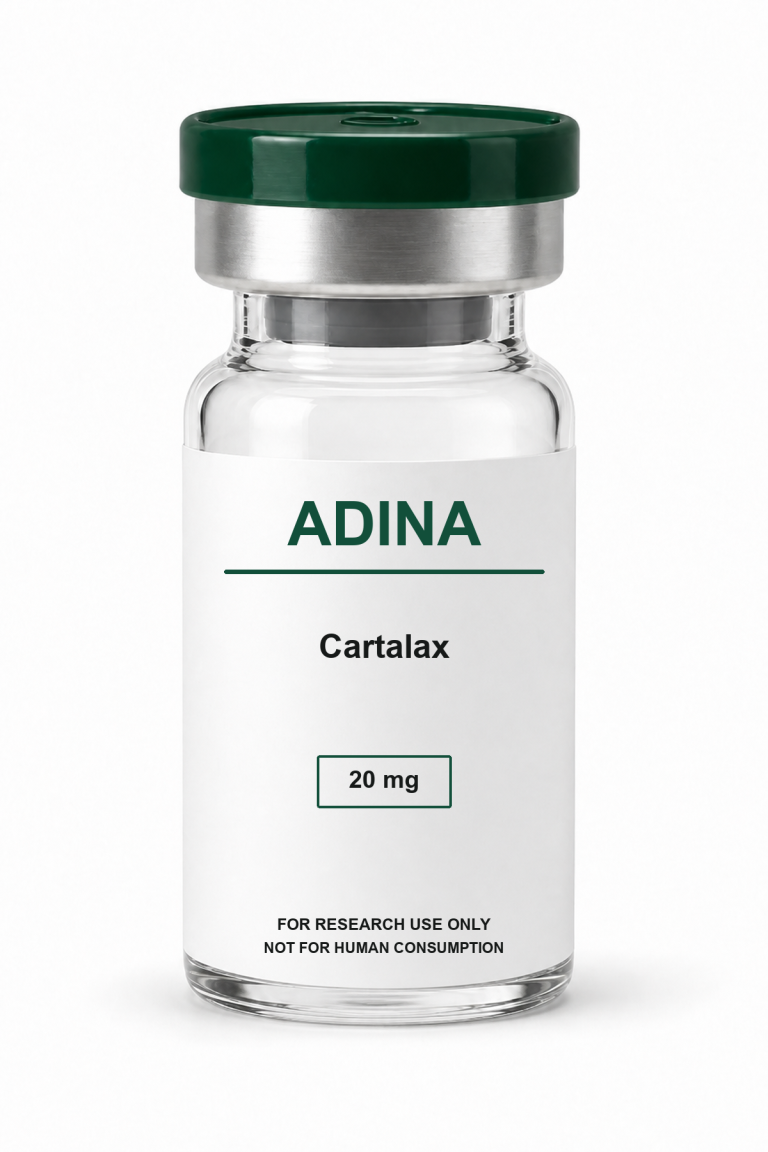
Cartalax
£46.0020 mgBatch file pendingCartilage-cell focus, rather than BPC-157’s broader repair signalling or GHK-Cu’s collagen/copper biology.
UnavailableAsk about availability -
Preclinical
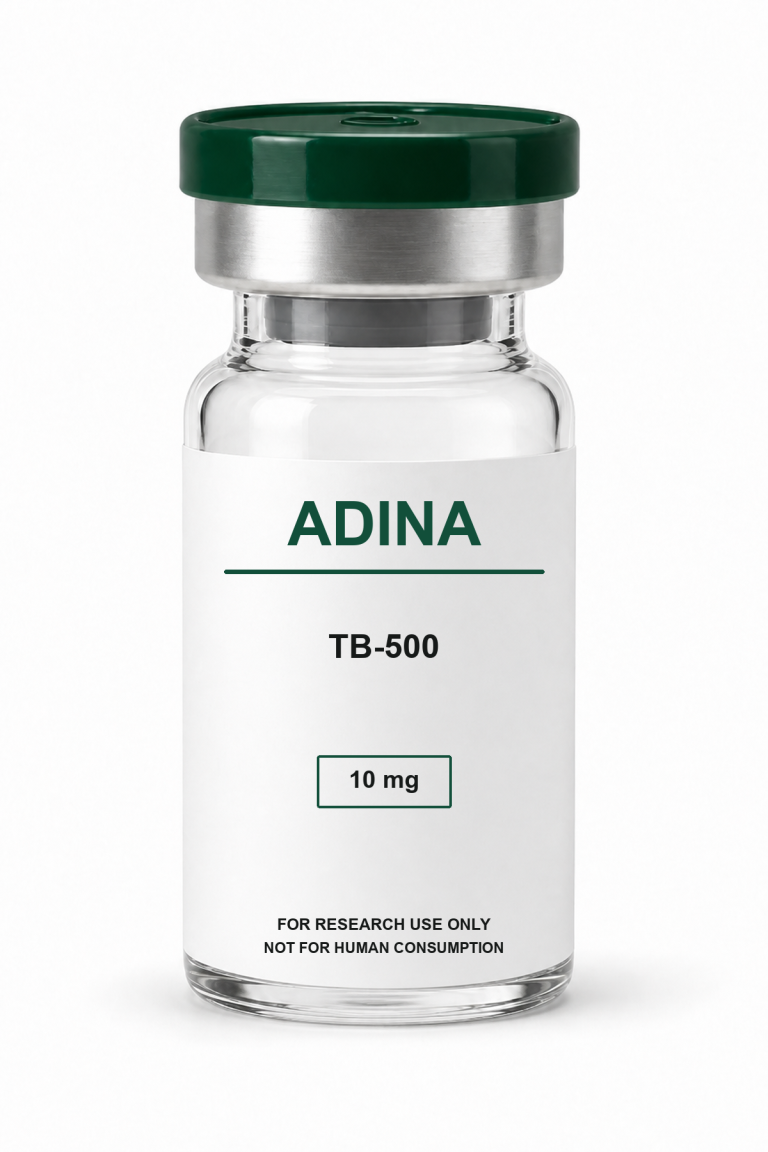
TB-500
£32.99Batch file pendingTB-500 is discussed as a fragment-like repair material, while thymosin beta-4 is the full natural protein and BPC-157…
Available · 30 in stockAdd to basket -
Preclinical
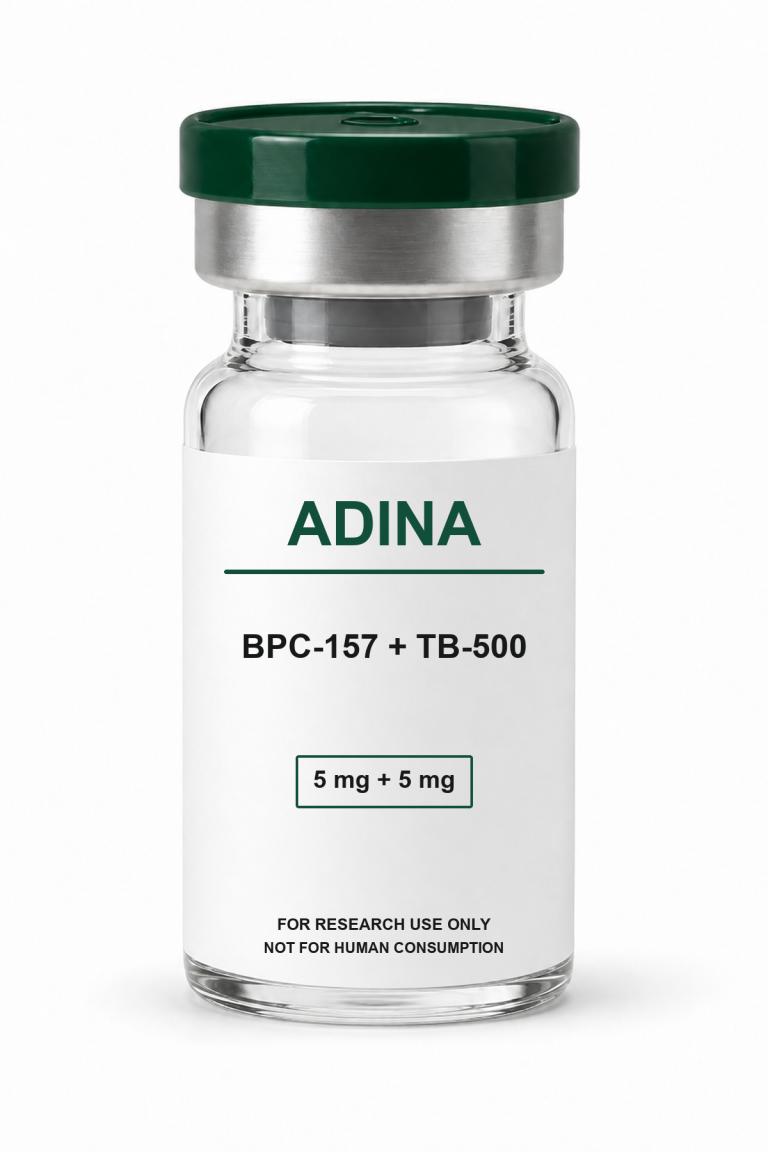
BPC-157 + TB-500
Price range: £42.99 through £79.995 mg + 5 mg | 10 mg + 10 mgBatch file pendingThe combination places a gastric-peptide-derived experimental material beside an actin-regulatory thymosin pathway, rather than combining two versions of…
AvailableAdd to basket This product has multiple variants. The options may be chosen on the product page