A synthetic 15-amino-acid fragment based on a protein found in gastric juice.
PRODUCT PROFILE
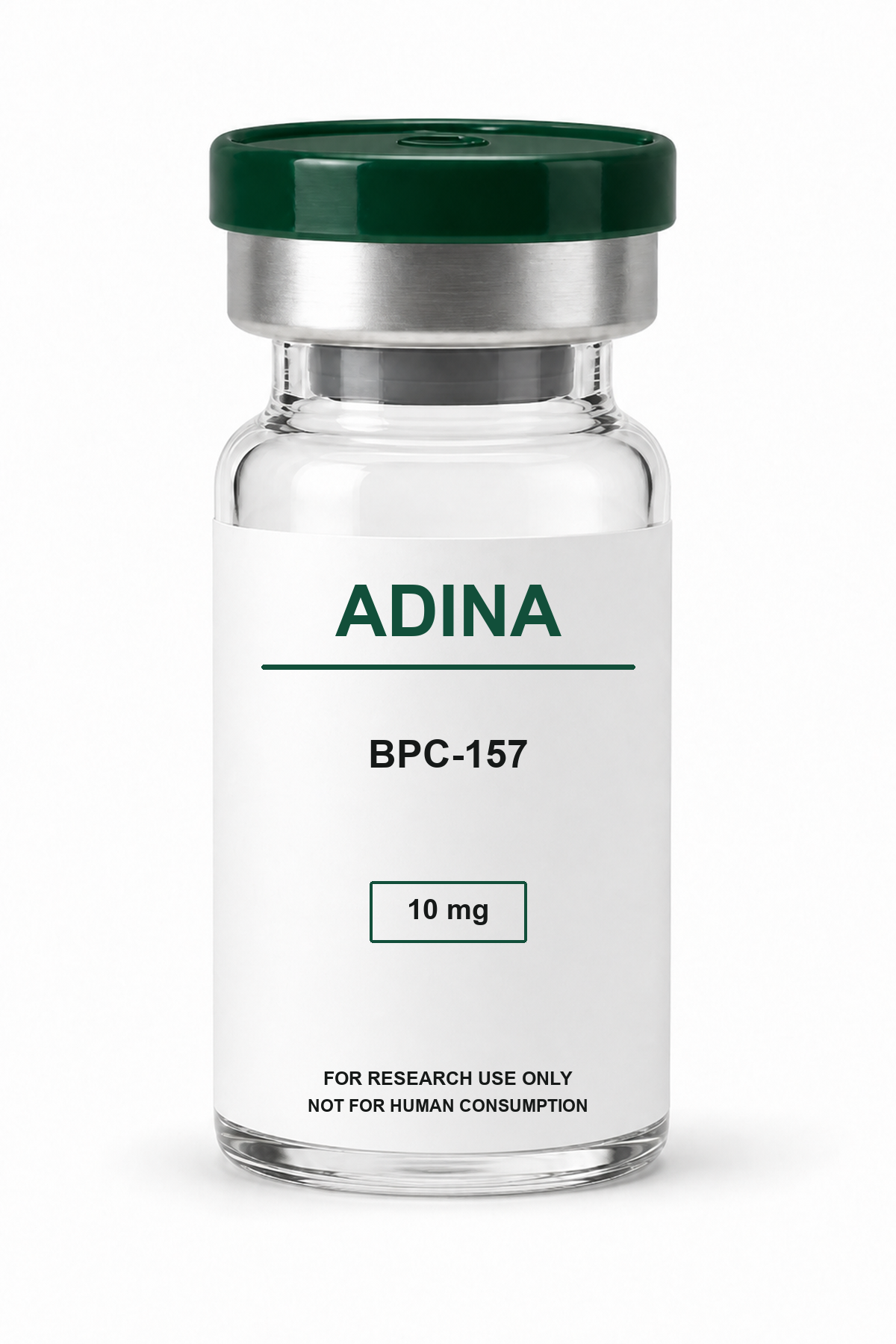
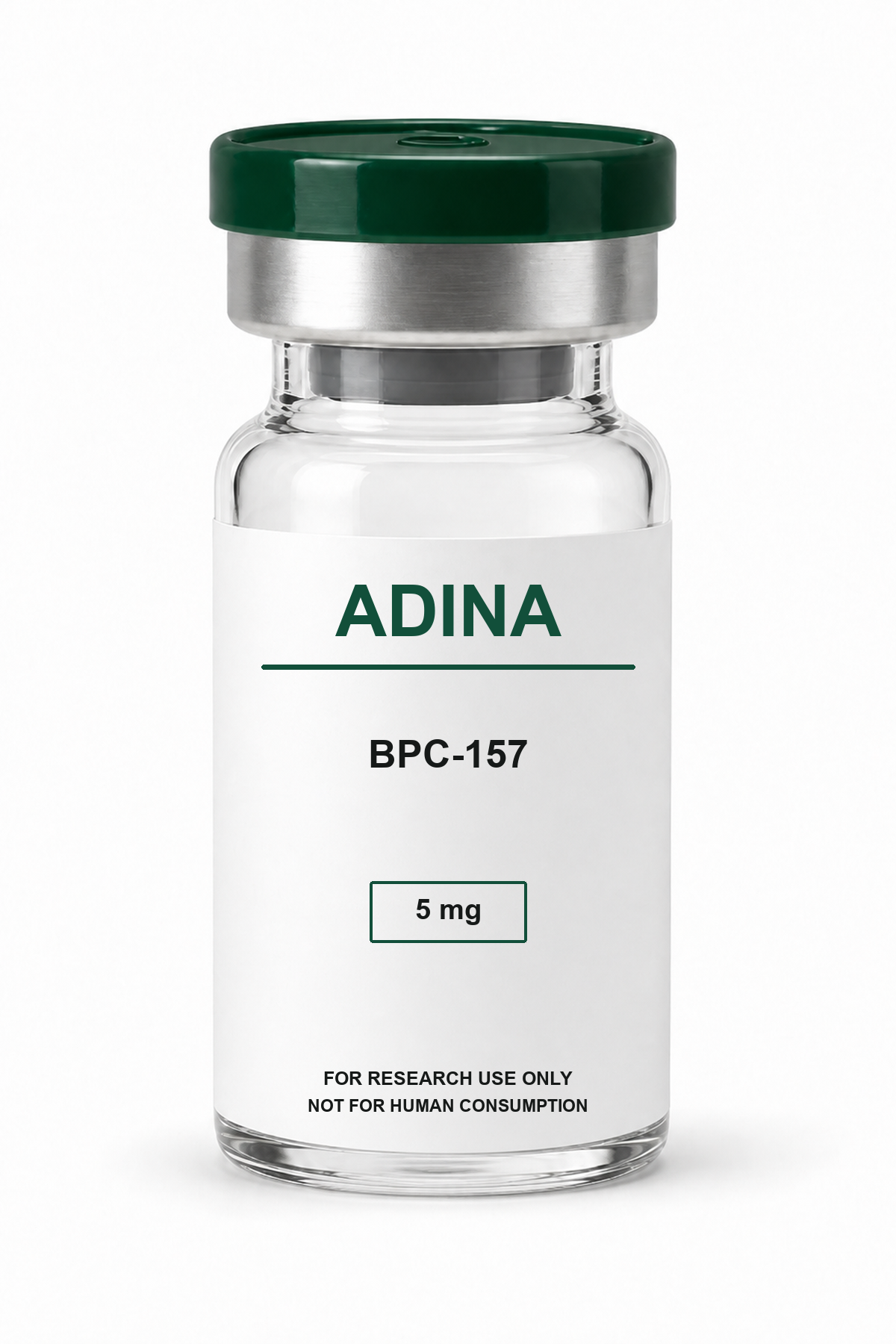
BPC-157
£32.99
BPC-157 is an experimental peptide mainly studied in laboratory models of tissue repair. Researchers look at how it may affect the stomach lining, small blood vessels, tendons and other connective tissues. Most evidence is from animal or cell studies, so benefits and safety in people are not established.
Why it is distinct
BPC-157 is mainly discussed around stomach and local tissue-repair models. TB-500 is instead studied for actin, cell movement and broader early repair processes.
- Evidence stagePreclinical
- AvailabilityAvailable · 30 in stock
- Batch recordPublished after verification
- DispatchConfirmed at checkout
30 in stock
PRODUCT INFORMATION
Clear first. Detailed when needed.
What this material is+
BPC-157 is an experimental peptide mainly studied in laboratory models of tissue repair. Researchers look at how it may affect the stomach lining, small blood vessels, tendons and other connective tissues. Most evidence is from animal or cell studies, so benefits and safety in people are not established.
Research focus+
Researchers mainly study BPC-157 in models of stomach protection, blood-vessel signalling and connective-tissue repair. This includes laboratory work involving tendons, ligaments and wound healing.
How the mechanism differs+
Preclinical studies suggest links with nitric-oxide signalling, blood-vessel formation and repair-related growth factors. A reliable mechanism in humans has not been confirmed.
Evidence and limitations+
Evidence is overwhelmingly laboratory and animal based. Controlled human studies establishing effectiveness, safe use or long-term risk are lacking.
Testing and batch documentation+
No live certificate is shown for this staging item. ADINA will only publish a batch document after the product identifier, test method and result have been checked.
RESEARCH PROFILE
Understand the distinction.
Researchers mainly study BPC-157 in models of stomach protection, blood-vessel signalling and connective-tissue repair. This includes laboratory work involving tendons, ligaments and wound healing.
Preclinical studies suggest links with nitric-oxide signalling, blood-vessel formation and repair-related growth factors. A reliable mechanism in humans has not been confirmed.
BPC-157 is mainly discussed around stomach and local tissue-repair models. TB-500 is instead studied for actin, cell movement and broader early repair processes.
Evidence is overwhelmingly laboratory and animal based. Controlled human studies establishing effectiveness, safe use or long-term risk are lacking.
Educational research context only. This information is not dosage, administration or personal-use guidance.
CONTINUE EXPLORING
Related research perspectives.
Selected for useful comparison across neighbouring or contrasting research areas—not as combined-use guidance.
-
Preclinical
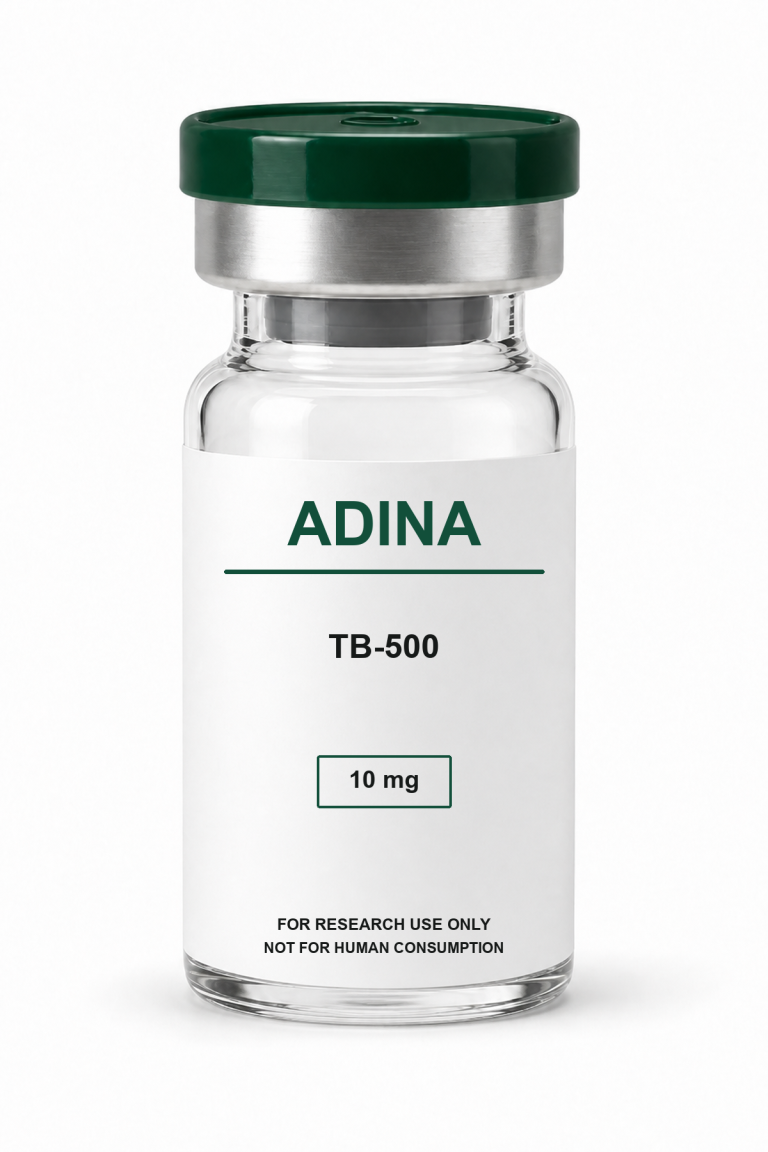
TB-500
£32.99Batch file pendingTB-500 is discussed as a fragment-like repair material, while thymosin beta-4 is the full natural protein and BPC-157…
Available · 30 in stockAdd to basket -
Phase 2 clinical research
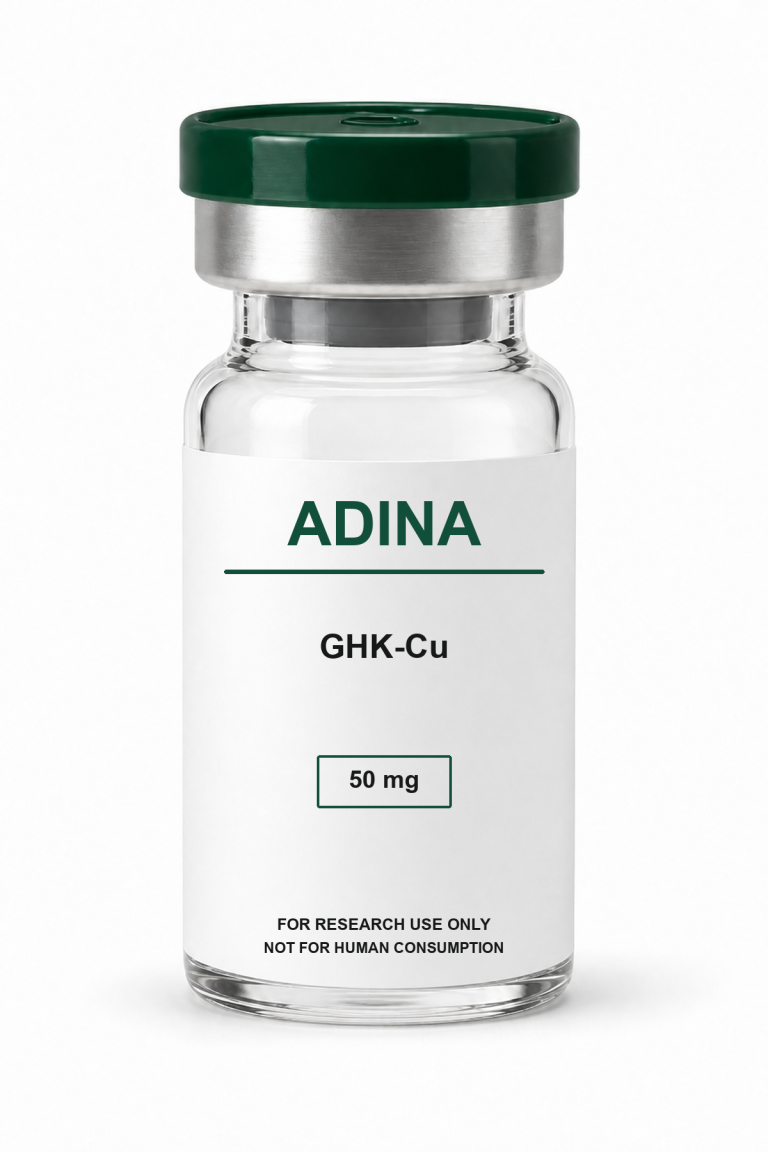
GHK-Cu
£24.99Batch file pendingGHK-Cu is a copper complex. Pal-GHK has a fatty tail for topical formulas, while non-copper peptides use different…
Available · 50 in stockAdd to basket -
Phase 2 clinical research
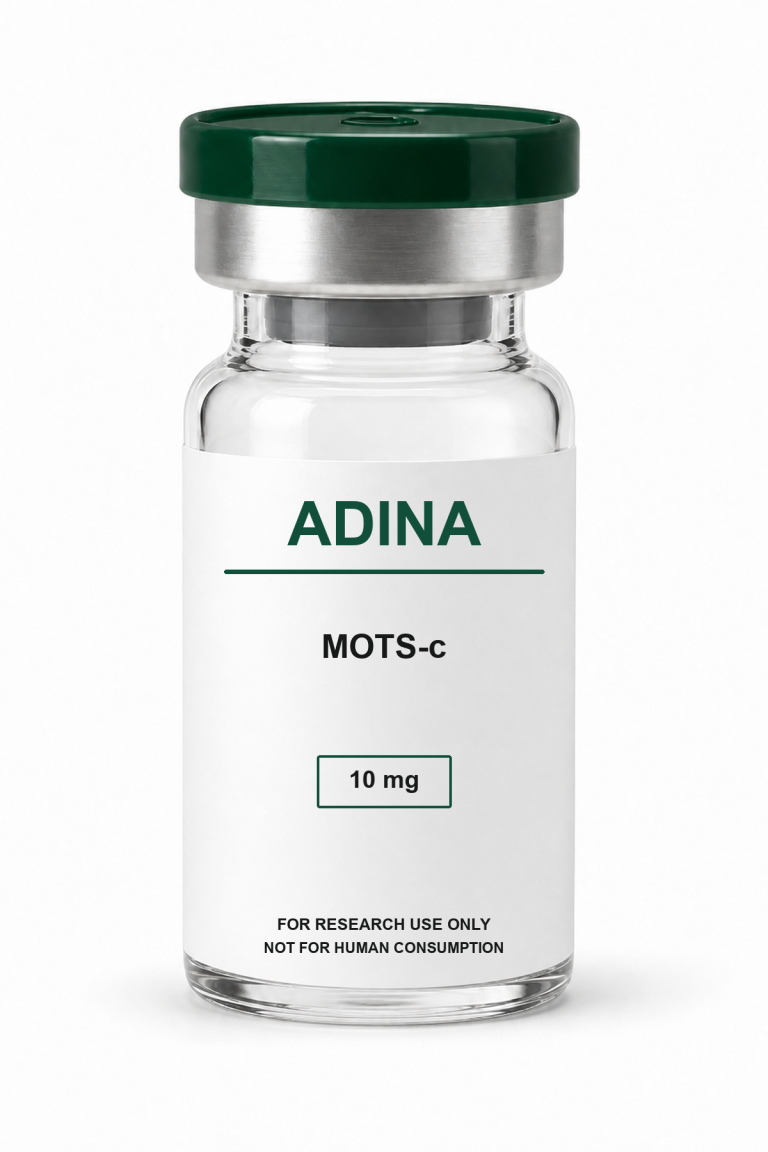
MOTS-c
£35.64Batch file pendingMOTS-c begins inside mitochondria and is studied for cell-wide energy adaptation, rather than directly targeting appetite receptors.
Available · 30 in stockAdd to basket -
Established clinical evidence
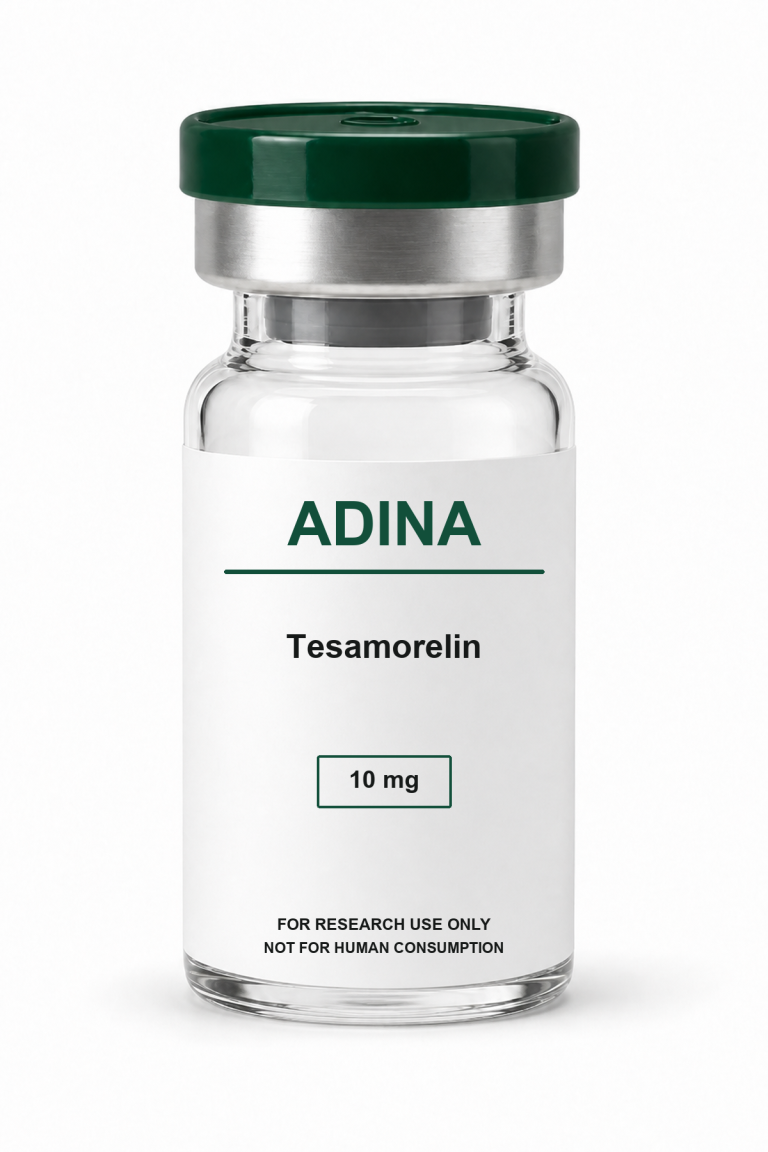
Tesamorelin
£52.99Batch file pendingIt is the GHRH analogue in this catalogue with an authorised indication and outcome trials for a defined…
Available · 50 in stockAdd to basket