A 16-amino-acid signalling peptide encoded by mitochondrial DNA.
PRODUCT PROFILE
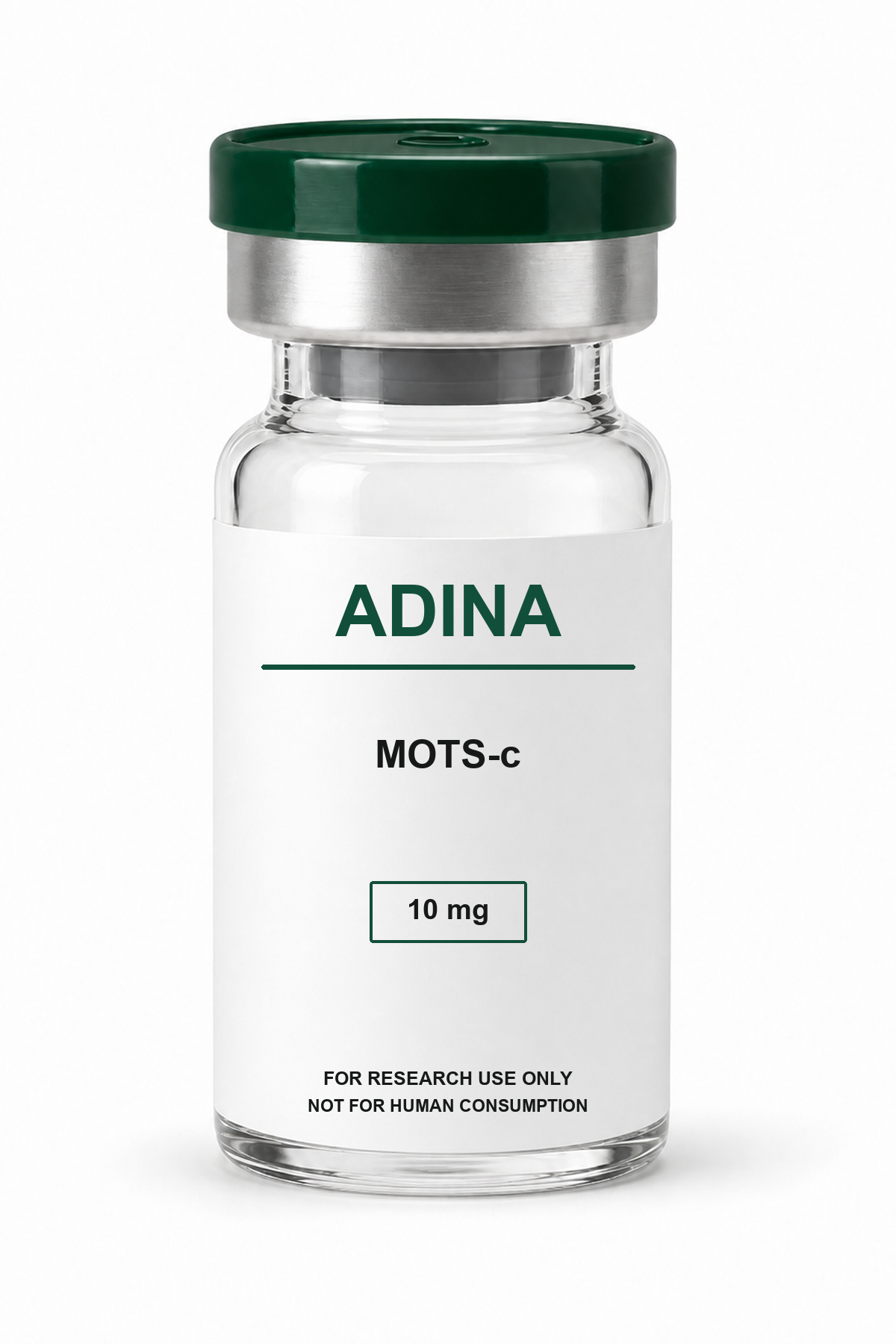
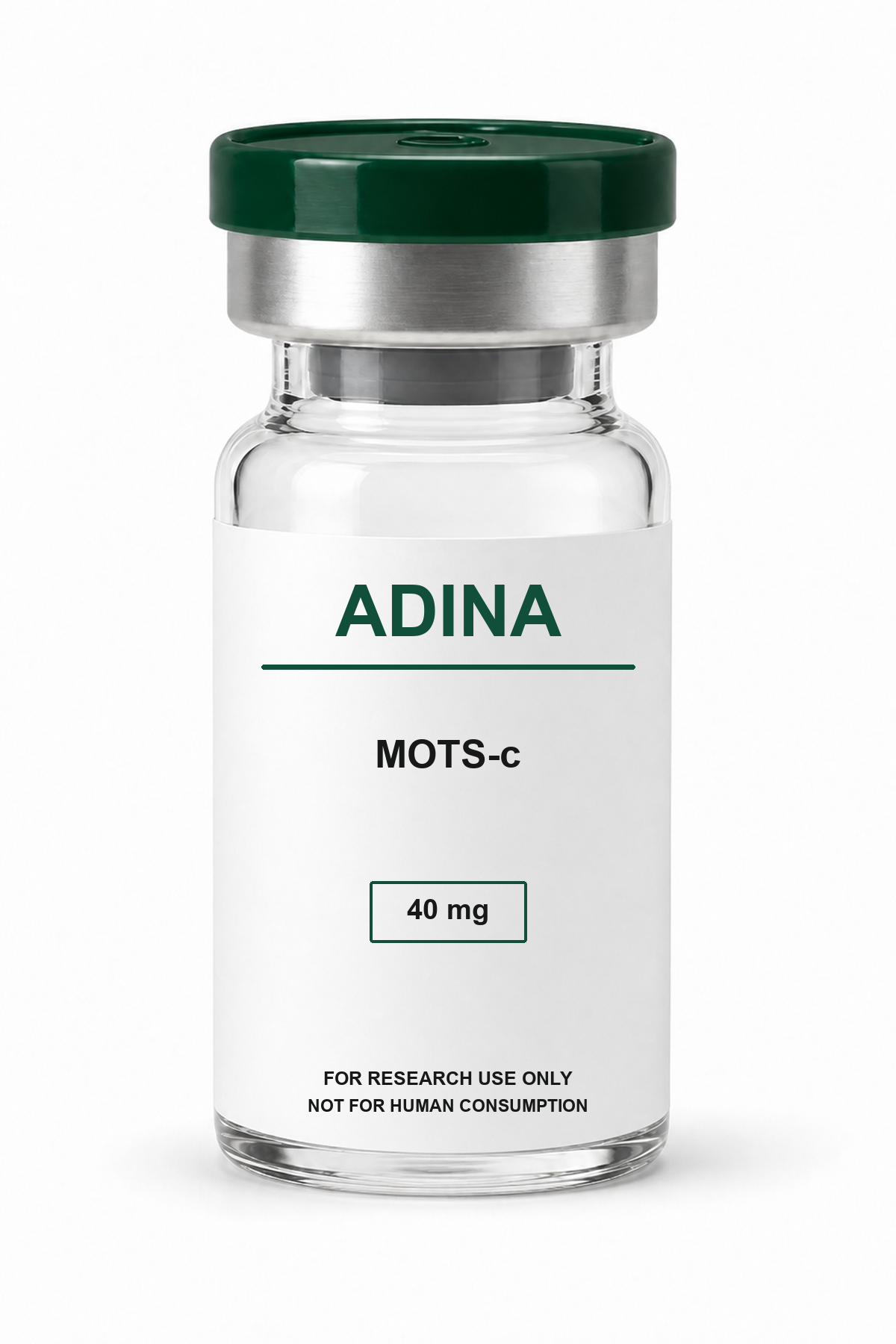
MOTS-c
£35.64
MOTS-c is a small peptide made from genetic material inside mitochondria, the parts of cells that produce energy. Researchers study how it may help cells respond to exercise, low energy and metabolic stress. Most evidence is still from laboratory and animal work.
Why it is distinct
MOTS-c begins inside mitochondria and is studied for cell-wide energy adaptation, rather than directly targeting appetite receptors.
- Evidence stagePhase 2 clinical research
- AvailabilityAvailable · 30 in stock
- Batch recordOpen COA
- DispatchConfirmed at checkout
30 in stock
SUGGESTED ADD-ONS
Useful additions, clearly shown.
Suggestions are organised by vial format and catalogue context. They are not combined-use guidance or personal-use advice.
-
Specification review
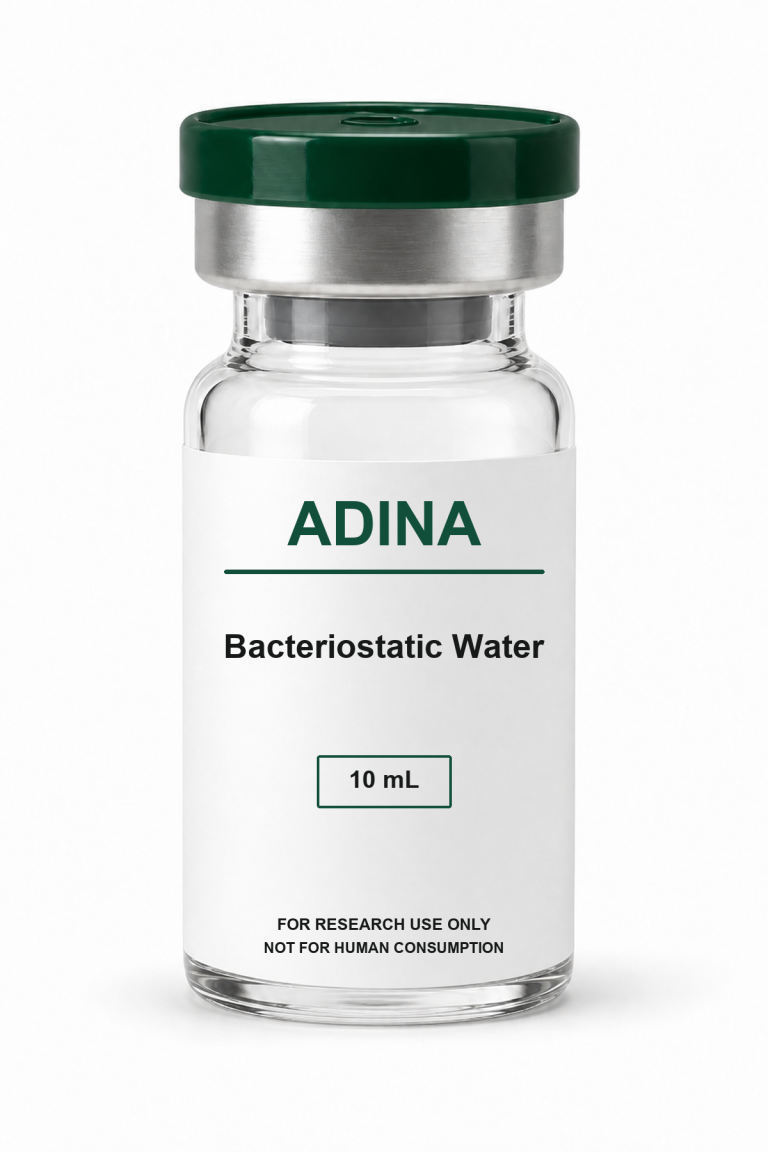
Bacteriostatic Water
Price range: £4.49 through £8.9910 mL | 3 mLBatch file pendingA laboratory supply with two volume variants, not a peptide or biologically active comparison material.
Available · select size for stockAdd to basket This product has multiple variants. The options may be chosen on the product page -
Clinical research
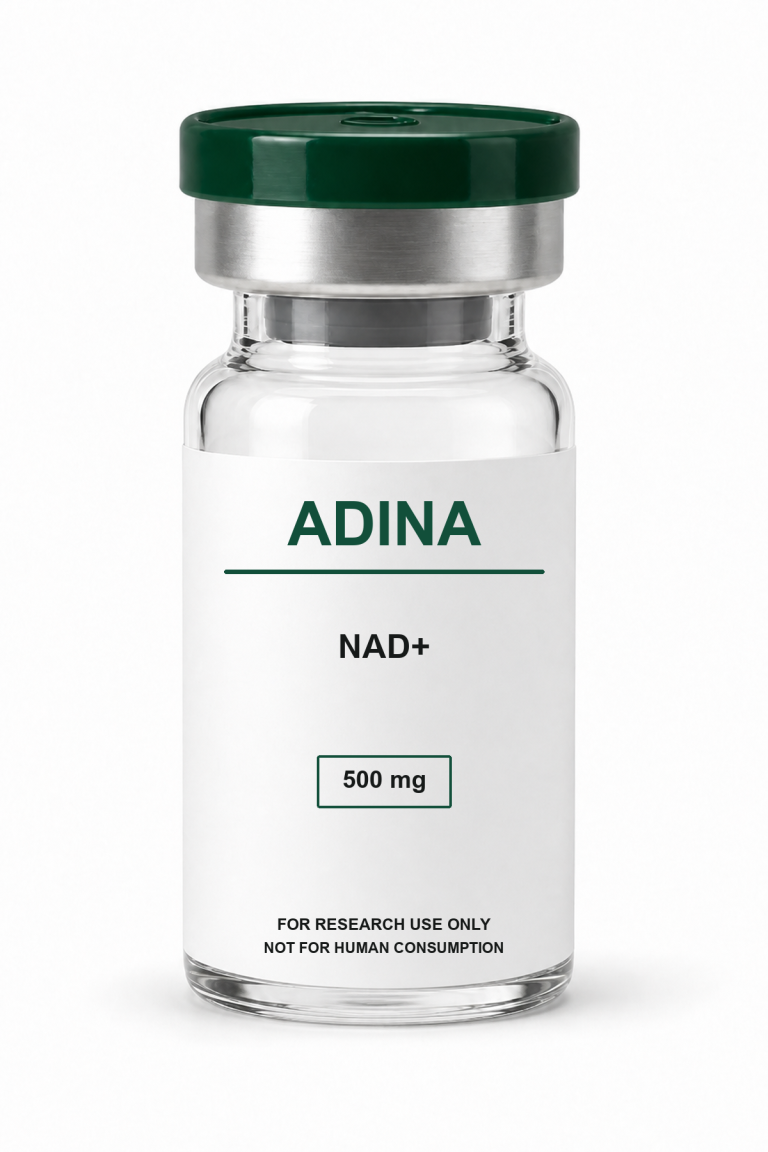
NAD+
Price range: £52.99 through £72.99500 mg | 1000 mgBatch COA availableNAD+ is a metabolic coenzyme rather than a peptide or receptor agonist, so it belongs to cellular-metabolism research…
Available · select size for stockAdd to basket This product has multiple variants. The options may be chosen on the product page -
Preclinical
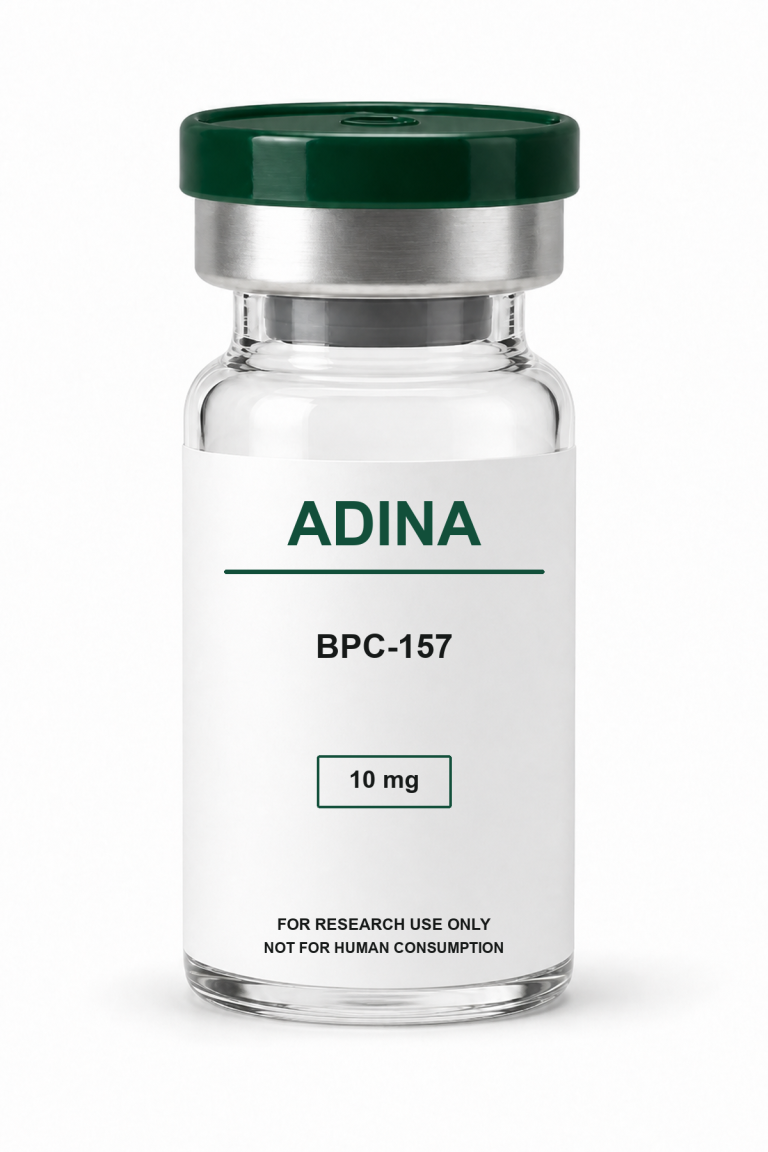
BPC-157
£32.99Batch COA availableBPC-157 is mainly discussed around stomach and local tissue-repair models. TB-500 is instead studied for actin, cell movement…
Available · 30 in stockAdd to basket
PRODUCT INFORMATION
Clear first. Detailed when needed.
What this material is+
MOTS-c is a small peptide made from genetic material inside mitochondria, the parts of cells that produce energy. Researchers study how it may help cells respond to exercise, low energy and metabolic stress. Most evidence is still from laboratory and animal work.
Research focus+
Research focuses on cellular energy use, insulin sensitivity, exercise response and how cells adapt when energy is limited.
How the mechanism differs+
Laboratory studies link it to AMPK energy sensing and changes in gene activity during metabolic stress.
Evidence and limitations+
Most evidence is from cells and animals, with limited human observational or exercise-response research. Clinical benefits are not established.
Testing and batch documentation+
Verified batch documents are available for review.
RESEARCH PROFILE
Understand the distinction.
Research focuses on cellular energy use, insulin sensitivity, exercise response and how cells adapt when energy is limited.
Laboratory studies link it to AMPK energy sensing and changes in gene activity during metabolic stress.
MOTS-c begins inside mitochondria and is studied for cell-wide energy adaptation, rather than directly targeting appetite receptors.
Most evidence is from cells and animals, with limited human observational or exercise-response research. Clinical benefits are not established.
Educational research context only. This information is not dosage, administration or personal-use guidance.
CONTINUE EXPLORING
Related research perspectives.
Selected for useful comparison across neighbouring or contrasting research areas—not as combined-use guidance.
-
Clinical research
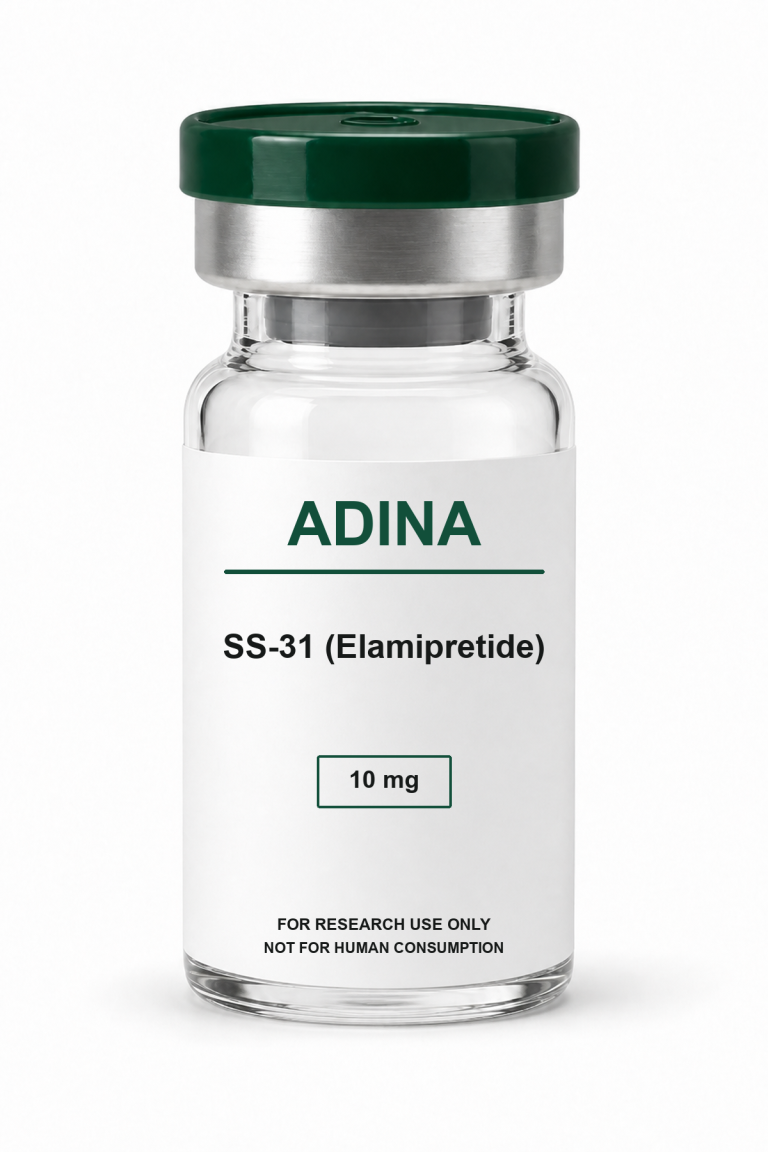
SS-31 (Elamipretide)
£29.9910 mgBatch COA availableDirectly targets mitochondrial membrane cardiolipin, unlike MOTS-c’s signalling-peptide role.
UnavailableAsk about availability -
Preclinical
BPC-157
£32.99Batch COA availableBPC-157 is mainly discussed around stomach and local tissue-repair models. TB-500 is instead studied for actin, cell movement…
Available · 30 in stockAdd to basket -
Phase 2 clinical research
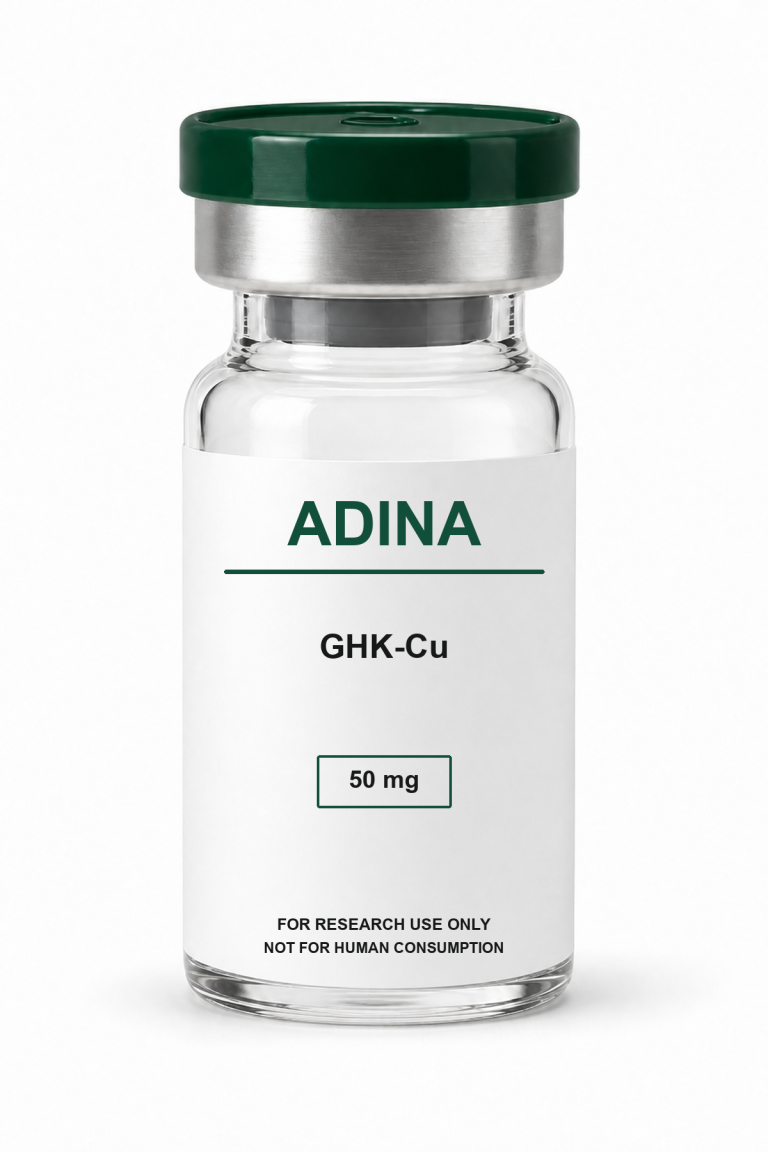
GHK-Cu
£24.99Batch COA availableGHK-Cu is a copper complex. Pal-GHK has a fatty tail for topical formulas, while non-copper peptides use different…
Available · 50 in stockAdd to basket