The smallest active 10-amino-acid fragment of the kisspeptin hormone family.
PRODUCT PROFILE
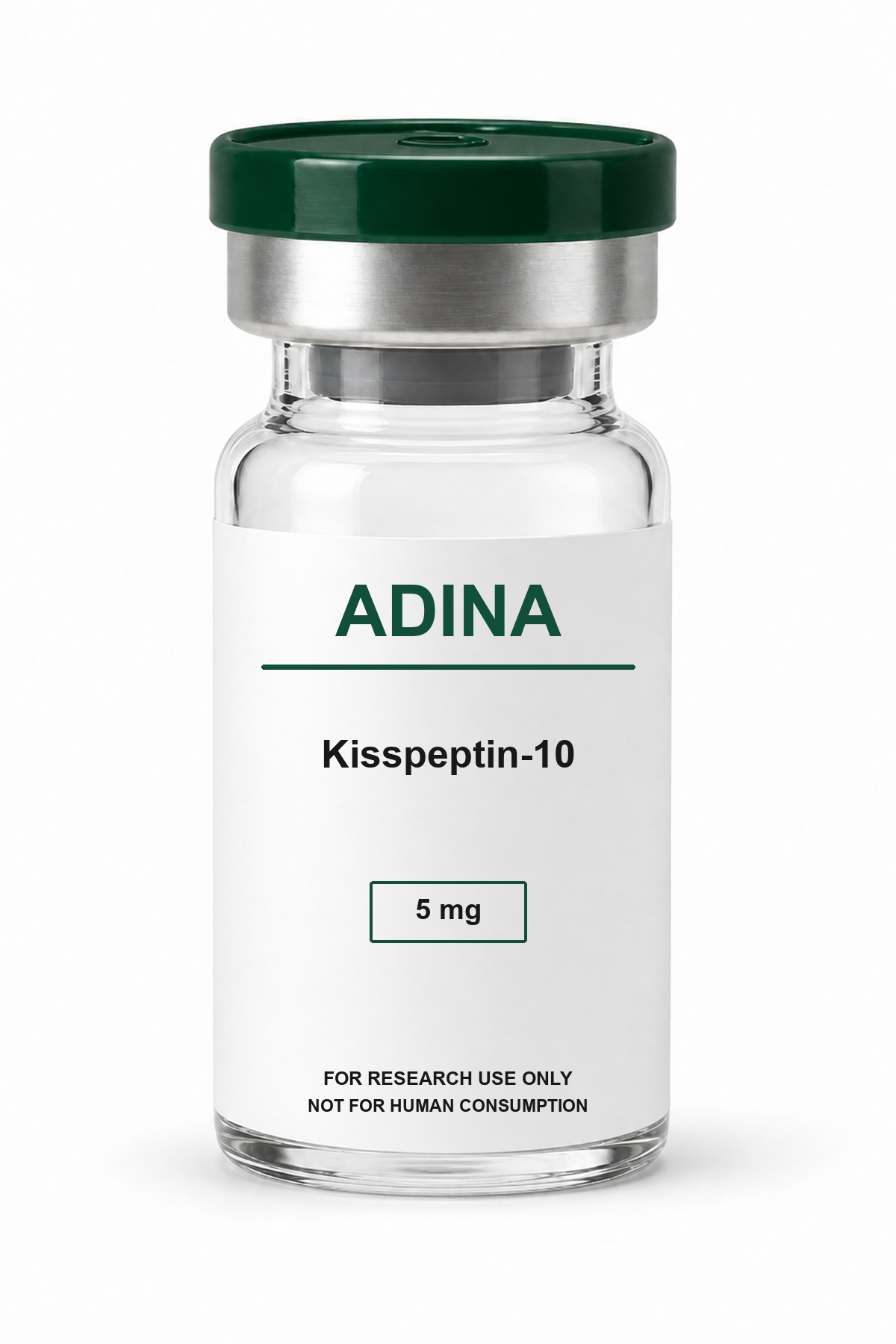
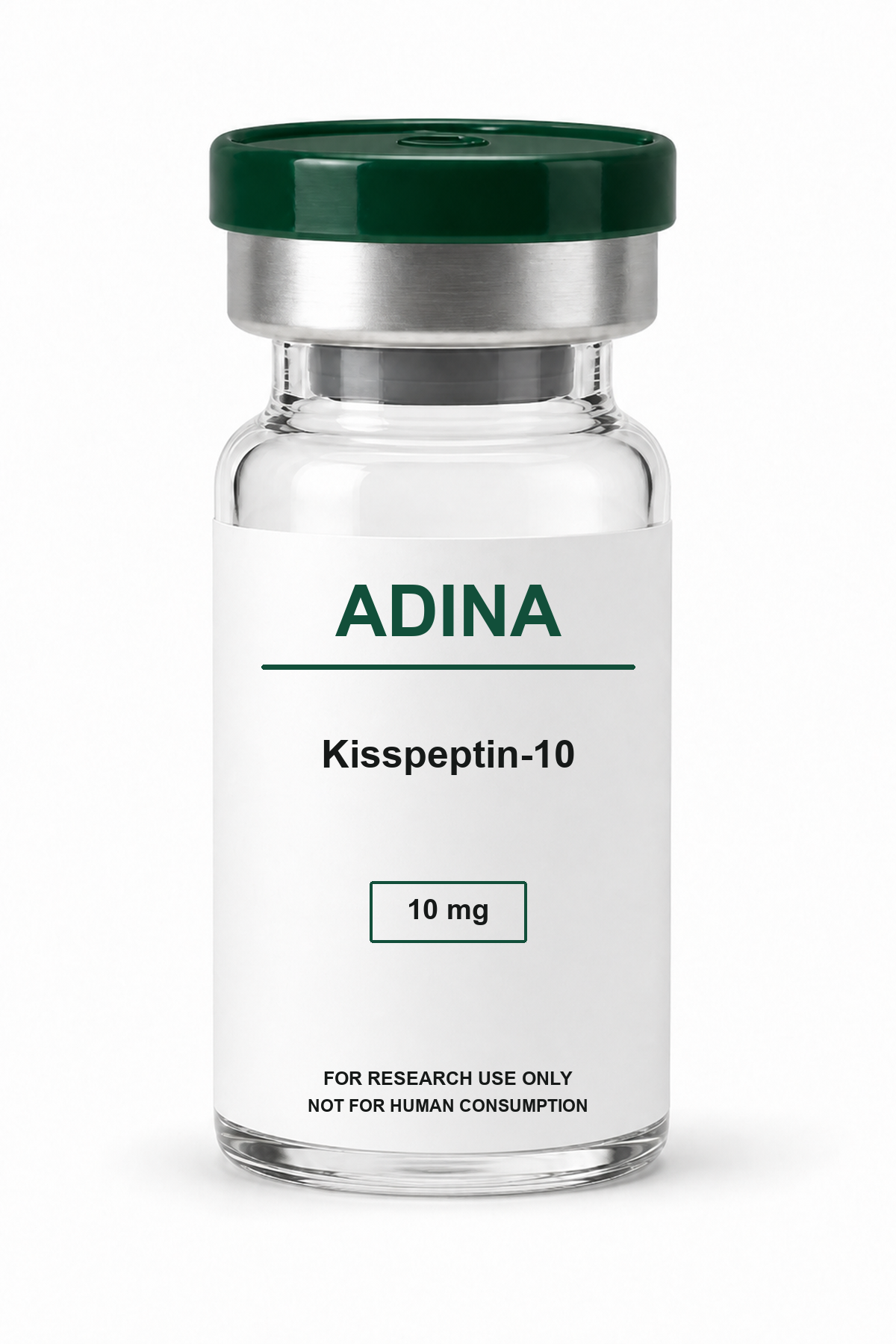
Kisspeptin-10
£54.00
Kisspeptin-10 is a short part of the natural kisspeptin hormone. Researchers use it to study the hormone chain that controls reproductive function. It can create a relatively quick, brief signal compared with the longer Kisspeptin-54 form.
Why it is distinct
Kisspeptin-10 acts for a shorter time than Kisspeptin-54, making the length of the research signal the clearest difference.
- Evidence stageHuman clinical research
- AvailabilityAvailable · 10 in stock
- Batch recordPublished after verification
- DispatchConfirmed at checkout
10 in stock
SUGGESTED ADD-ONS
Useful additions, clearly shown.
Suggestions are organised by vial format and catalogue context. They are not combined-use guidance or personal-use advice.
-
Specification review
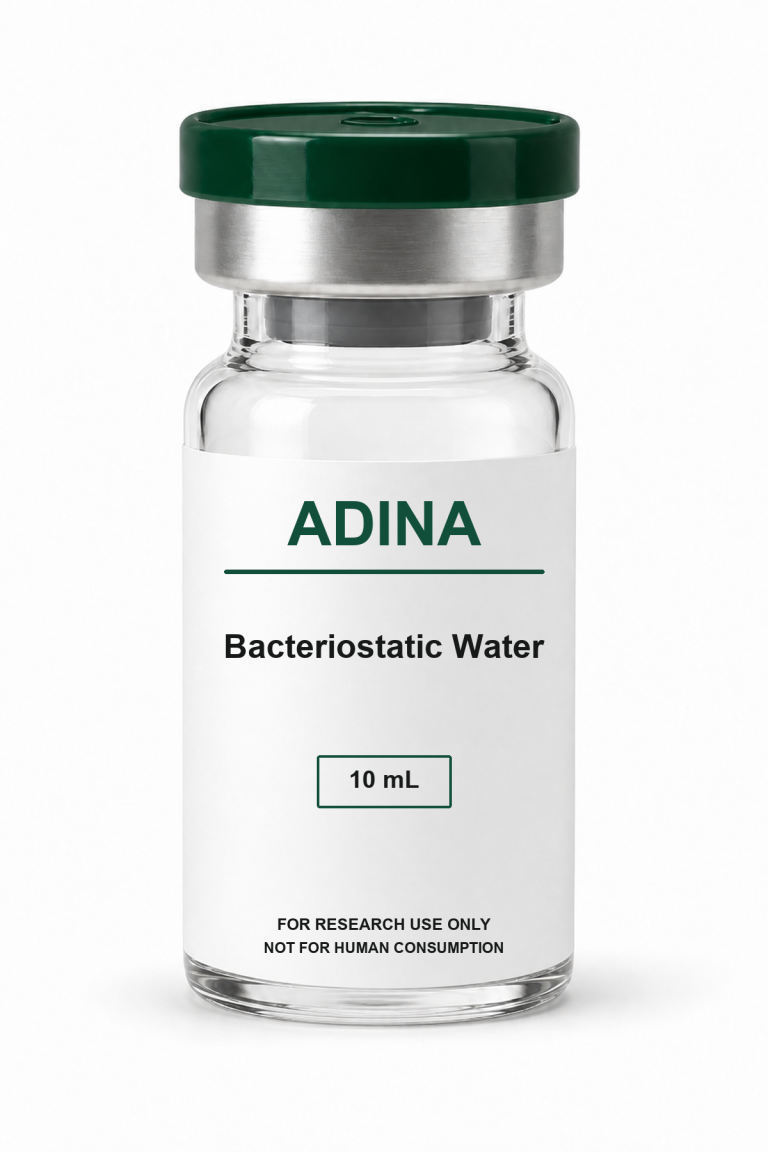
Bacteriostatic Water
Price range: £4.49 through £8.9910 mL | 3 mLBatch file pendingA laboratory supply with two volume variants, not a peptide or biologically active comparison material.
Available · select size for stockAdd to basket This product has multiple variants. The options may be chosen on the product page -
Preclinical
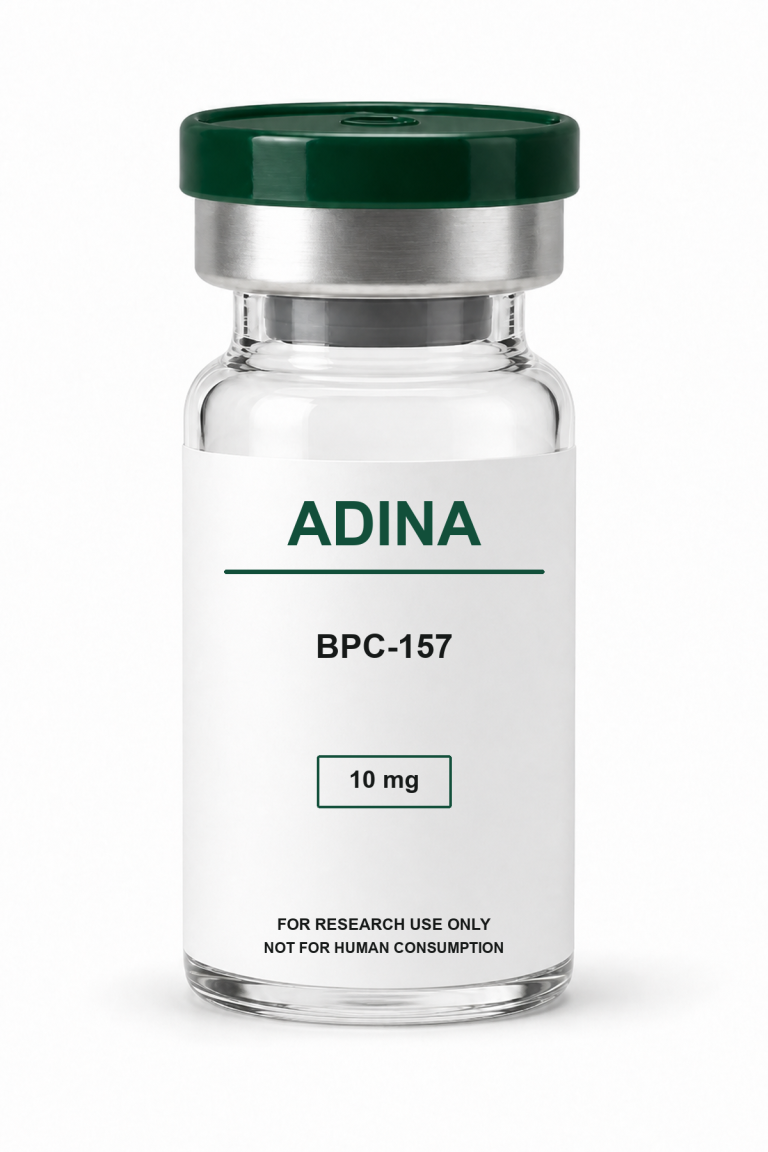
BPC-157
£32.99Batch COA availableBPC-157 is mainly discussed around stomach and local tissue-repair models. TB-500 is instead studied for actin, cell movement…
Available · 30 in stockAdd to basket -
Preclinical
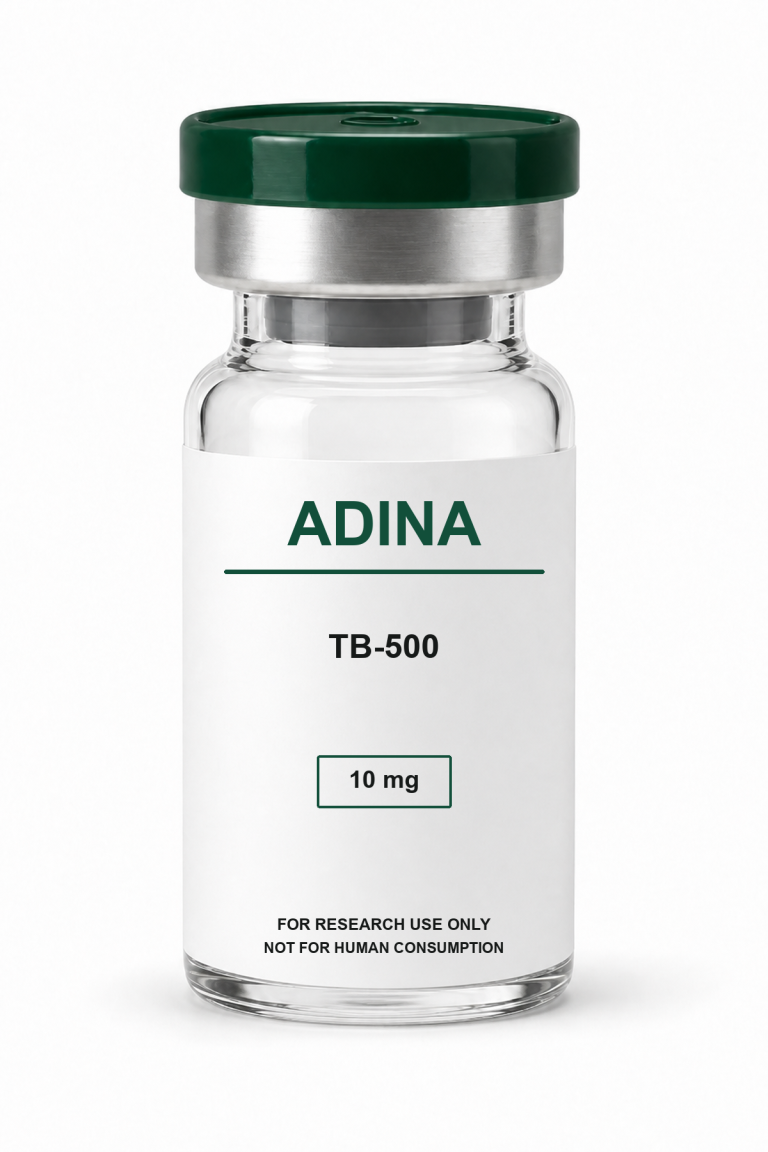
TB-500
£32.99Batch COA availableTB-500 is discussed as a fragment-like repair material, while thymosin beta-4 is the full natural protein and BPC-157…
Available · 30 in stockAdd to basket
PRODUCT INFORMATION
Clear first. Detailed when needed.
What this material is+
Kisspeptin-10 is a short part of the natural kisspeptin hormone. Researchers use it to study the hormone chain that controls reproductive function. It can create a relatively quick, brief signal compared with the longer Kisspeptin-54 form.
Research focus+
Researchers study how Kisspeptin-10 activates reproductive hormone signalling, including the release of hormones that help control ovulation and testosterone production.
How the mechanism differs+
It activates the KISS1 receptor, which signals the brain to start the reproductive-hormone chain.
Evidence and limitations+
Human endocrine challenge studies exist, but therapeutic use remains investigational and context-specific.
Testing and batch documentation+
No live certificate is shown for this staging item. ADINA will only publish a batch document after the product identifier, test method and result have been checked.
RESEARCH PROFILE
Understand the distinction.
Researchers study how Kisspeptin-10 activates reproductive hormone signalling, including the release of hormones that help control ovulation and testosterone production.
It activates the KISS1 receptor, which signals the brain to start the reproductive-hormone chain.
Kisspeptin-10 acts for a shorter time than Kisspeptin-54, making the length of the research signal the clearest difference.
Human endocrine challenge studies exist, but therapeutic use remains investigational and context-specific.
Educational research context only. This information is not dosage, administration or personal-use guidance.
CONTINUE EXPLORING
Related research perspectives.
Selected for useful comparison across neighbouring or contrasting research areas—not as combined-use guidance.